Transportation has always played an important role in human civilization. From bicycles and bullock carts to trains, airplanes, and modern cars, people have continuously searched for faster and more efficient ways to travel. Today, the world is entering a new era of transportation with the rise of Electric Vehicles (EVs). These vehicles are helping reduce pollution, save energy, and protect the environment. As countries work towards a cleaner future, electric vehicles are becoming one of the most important innovations of the 21st century. Understanding how they work helps children appreciate the role of science and technology in building a sustainable world.
An electric vehicle is a vehicle that runs on electricity instead of petrol or diesel. Unlike traditional vehicles that use engines powered by fossil fuels, electric vehicles use electric motors and rechargeable batteries. When the battery supplies electricity to the motor, the vehicle moves smoothly and quietly. Since electric vehicles do not burn fuel, they produce no harmful exhaust gases while driving, making them much cleaner than conventional vehicles.
The history of electric vehicles is older than many people realize. The first electric cars were developed in the 19th century, even before modern petrol-powered cars became popular. However, because fuel-powered vehicles could travel longer distances and fuel was widely available, electric vehicles were used less frequently for many decades. Today, improvements in battery technology, environmental awareness, and scientific research have brought electric vehicles back into the spotlight.
One of the greatest advantages of electric vehicles is their positive impact on the environment. Traditional vehicles release carbon dioxide and other harmful gases into the atmosphere, contributing to air pollution and climate change. Electric vehicles produce no tailpipe emissions, helping improve air quality in cities and reducing environmental damage. Cleaner air also benefits public health by lowering the risk of respiratory diseases.
Electric vehicles are also much quieter than conventional vehicles. Their electric motors produce very little noise, reducing sound pollution in busy urban areas. Quieter streets create a more peaceful environment for people, schools, hospitals, and wildlife. Reduced noise pollution improves the overall quality of life in cities.
Another important benefit is energy efficiency. Electric motors convert a much larger percentage of electrical energy into movement compared to fuel-powered engines. This means electric vehicles waste less energy and use power more effectively. As renewable energy sources such as solar and wind become more common, electric vehicles can be charged using clean electricity, making transportation even more environmentally friendly.
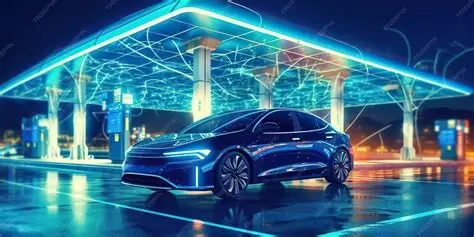
Charging an electric vehicle is different from filling a fuel tank. Instead of visiting a petrol station, EV owners can charge their vehicles using charging stations or home charging systems. Fast-charging stations can recharge batteries in a relatively short time, while regular home chargers usually work overnight. Many countries are rapidly expanding charging infrastructure to make electric vehicle ownership more convenient.
Battery technology is one of the most important areas of research for electric vehicles. Scientists are developing batteries that charge faster, last longer, and store more energy. Better batteries allow vehicles to travel greater distances on a single charge, making them suitable for both city driving and long journeys. Recycling old batteries is also becoming an important part of sustainable transportation, ensuring valuable materials can be reused instead of being wasted.
Electric vehicles are not limited to cars. Today, electric buses, motorcycles, bicycles, scooters, trucks, and even boats are becoming increasingly common. Many cities are introducing electric public transport systems to reduce pollution and improve air quality. Electric school buses are also being introduced in several countries, providing children with cleaner and quieter transportation.
The growth of electric vehicles has created many exciting career opportunities. Mechanical engineers, electrical engineers, software developers, battery scientists, automotive designers, charging infrastructure specialists, and renewable energy experts all contribute to the development of EV technology. Students who enjoy science, mathematics, engineering, and technology may one day help design the next generation of electric vehicles.
Parents and teachers can help children understand electric vehicles through practical activities. Visiting automobile exhibitions, science museums, or electric vehicle showrooms allows children to see these technologies firsthand. Classroom discussions about renewable energy, batteries, pollution, and transportation encourage students to think about how science can solve real-world problems. Building simple battery-powered models or solar-powered toy cars also makes learning fun and interactive.
Although electric vehicles offer many benefits, they also present challenges. Charging infrastructure continues to expand, battery production requires valuable natural resources, and scientists are working to make batteries more affordable and environmentally friendly. Research is ongoing to improve battery recycling, increase charging speed, and develop new materials that reduce environmental impact. Every technological innovation brings new opportunities for improvement.
Children can contribute to cleaner transportation in simple ways. Walking or cycling short distances, using public transport when possible, and supporting environmentally friendly practices all help reduce pollution. Understanding the importance of sustainable transportation encourages responsible habits that benefit both society and the environment.
The future of transportation will likely include not only electric vehicles but also self-driving cars, intelligent traffic systems, and vehicles powered by renewable energy. Scientists are exploring hydrogen fuel cells, wireless charging, and advanced battery technologies that may completely transform how people travel in the coming decades. Today’s students may become the engineers and inventors who make these innovations possible.
As the famous inventor Thomas Edison once said, “There is a way to do it better—find it.” Electric vehicles represent humanity’s effort to find a better, cleaner, and more sustainable way to travel. By teaching children about electric vehicles, renewable energy, and environmental responsibility, we prepare them to become thoughtful innovators who care for both people and the planet. Every clean journey begins with a single step towards smarter technology, and every child has the potential to help drive the world towards a brighter, greener future.