Polar regions like the Arctic and Antarctica are some of the coldest places on Earth. This topic is popular because children are curious about how animals survive freezing temperatures, ice and snow where humans would struggle to live.
Animals such as polar bears, penguins, seals and Arctic foxes have special features that help them stay warm and safe in extreme cold.
What makes polar regions so cold
Polar regions are cold because:
-
They receive less sunlight
-
The Sun’s rays hit at a slanted angle
-
Ice and snow reflect heat away
Temperatures can drop far below freezing for most of the year.
How animals stay warm
Polar animals stay warm using:
-
Thick fur or feathers that trap heat
-
Layers of fat, called blubber
-
Small ears and tails to reduce heat loss
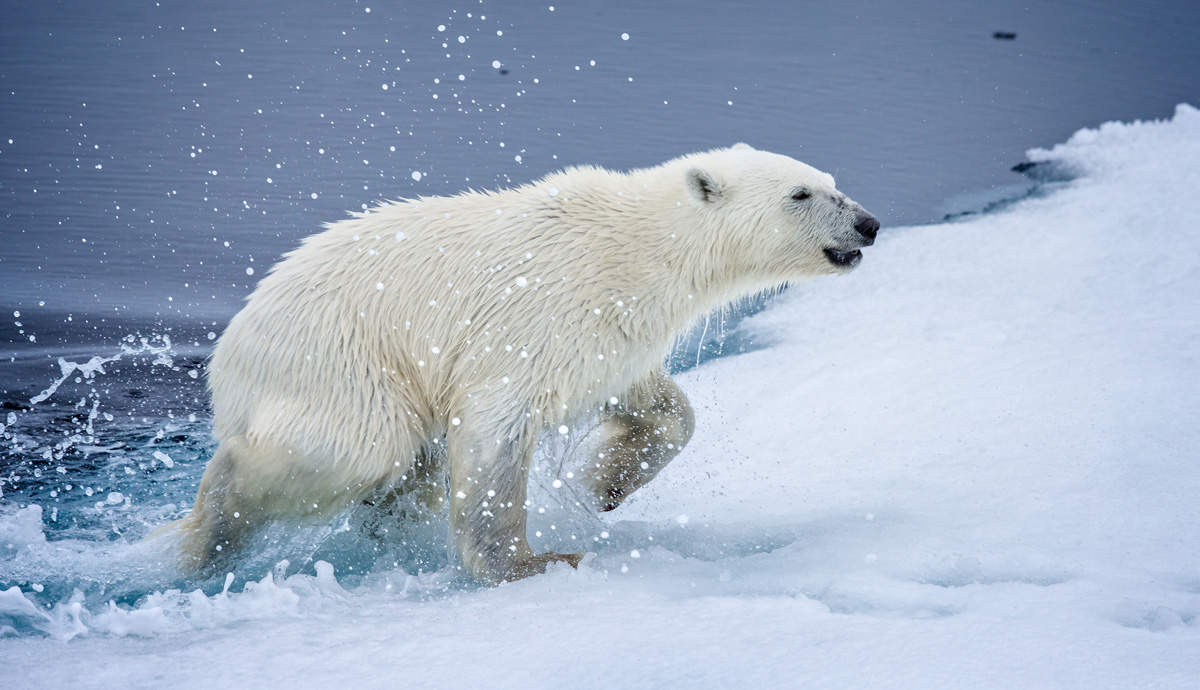
For example, polar bears have thick white fur and a heavy layer of fat that keeps them warm while swimming in icy water.
Special body features
Some animals have amazing adaptations:
-
Penguins huddle together to share warmth
-
Seals have blubber to stay warm in water
-
Arctic foxes change fur colour with seasons
-
Polar bears have black skin under white fur to absorb heat
These features help animals survive where food and warmth are limited.
How animals find food
Even in cold places, animals:
-
Hunt fish under ice
-
Catch seals or small animals
-
Store energy in fat
Strong senses and sharp instincts help them survive.
Why polar animals are in danger
Scientists warn that:
-
Ice is melting due to climate change
-
Animals are losing their homes
-
Food sources are becoming scarce
Protecting polar regions helps protect these animals.
Why kids should care
-
Polar animals show nature’s intelligence
-
Climate change affects wildlife
-
Learning builds empathy for animals
Teachers say studying polar animals helps children understand adaptation, survival and environmental responsibility.
Fun fact
Penguins can dive over 500 metres deep to catch food!
In short: Polar animals survive extreme cold using special body features and behaviours.
Learning takeaway: Nature teaches us that clever adaptations help life survive even in the harshest places on Earth. 🌍🐧