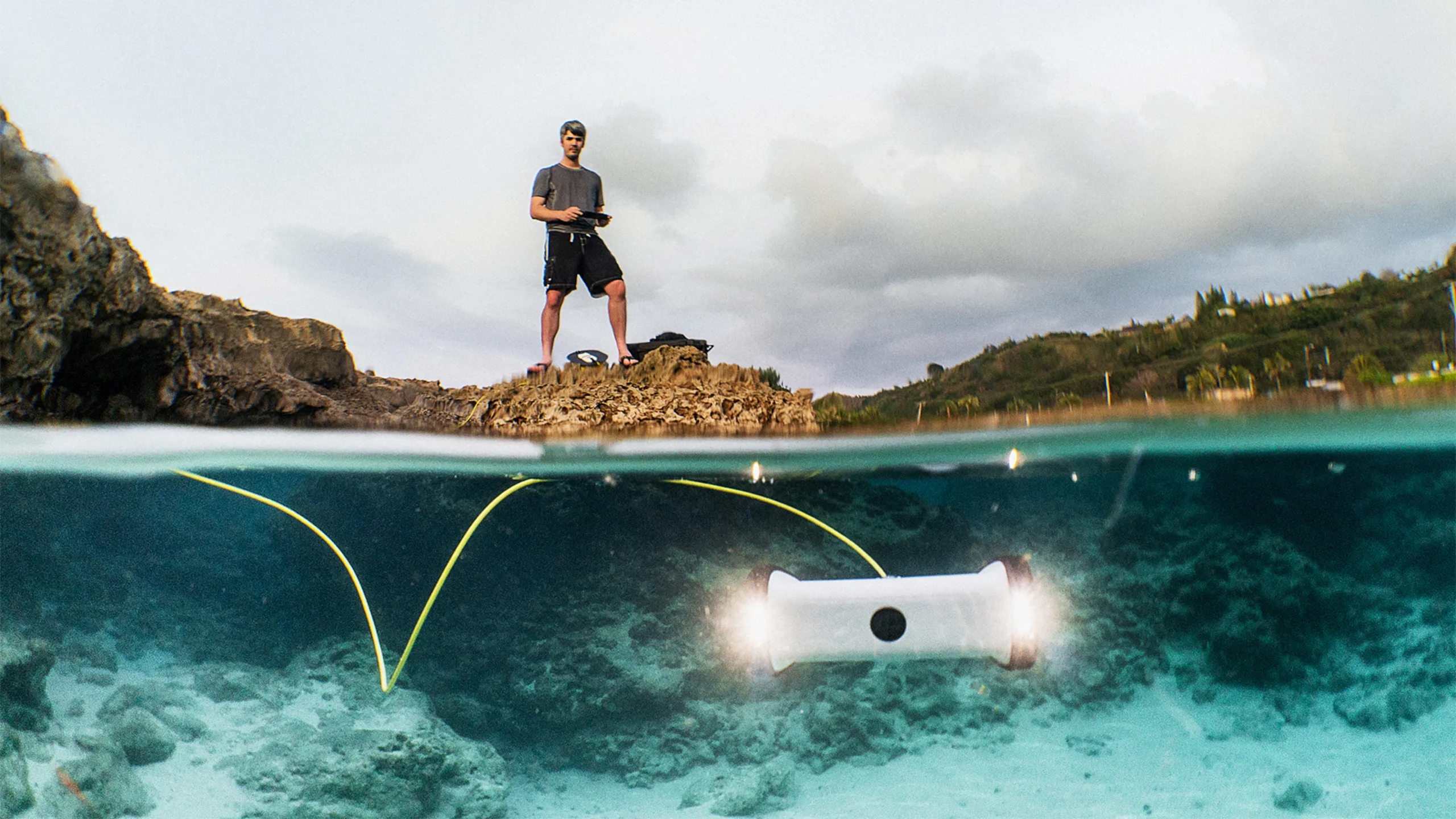
Scientists and environmental engineers are studying how robots can help clean the ocean, making this a trending science and technology news story. With millions of tons of plastic and waste entering the seas every year, experts say smart machines could support humans in protecting marine life and keeping oceans healthier.
Ocean-cleaning robots are specially designed machines that can float on the water’s surface or move underwater. Some robots collect plastic bottles, bags, and fishing nets, while others are built to find tiny pieces of plastic called microplastics. Scientists explain that these robots use sensors, cameras, and computer programs to spot trash and safely gather it.
One reason robots are useful is that oceans are very large and difficult to clean by hand. Robots can work for long hours, reach hard-to-access areas, and operate in rough conditions. Some are powered by solar energy, which means they can clean the ocean without creating pollution themselves.
Researchers say robots are especially helpful near rivers and coastlines, where much of the ocean trash begins its journey. By collecting waste early, robots can stop it from spreading across the sea and harming animals. Sea turtles, fish, birds, and whales often get injured by plastic, so removing trash helps protect them.
For kids, this news matters because oceans are important for food, weather, and life on Earth. Clean oceans mean healthier marine animals and safer beaches. Learning about ocean-cleaning robots shows how technology can be used to fix problems caused by humans.
Scientists also remind people that robots alone cannot solve ocean pollution. Reducing plastic use, recycling properly, and not littering are still very important. Robots work best when people on land also change their habits and create less waste.
Schools are teaching students about ocean pollution and new technologies through science lessons and projects. Some students design simple robot models or learn how sensors and machines work. These activities help children understand engineering and environmental responsibility.
Experts say ocean-cleaning robots are still improving. Future robots may be faster, smarter, and able to collect even smaller pieces of waste. Scientists hope these machines will become powerful helpers in protecting the seas.
The study of robots that clean the ocean shows how creativity and science can work together to protect nature. By learning about these technologies and caring for the environment, young people can help support cleaner oceans and a healthier planet for the future.