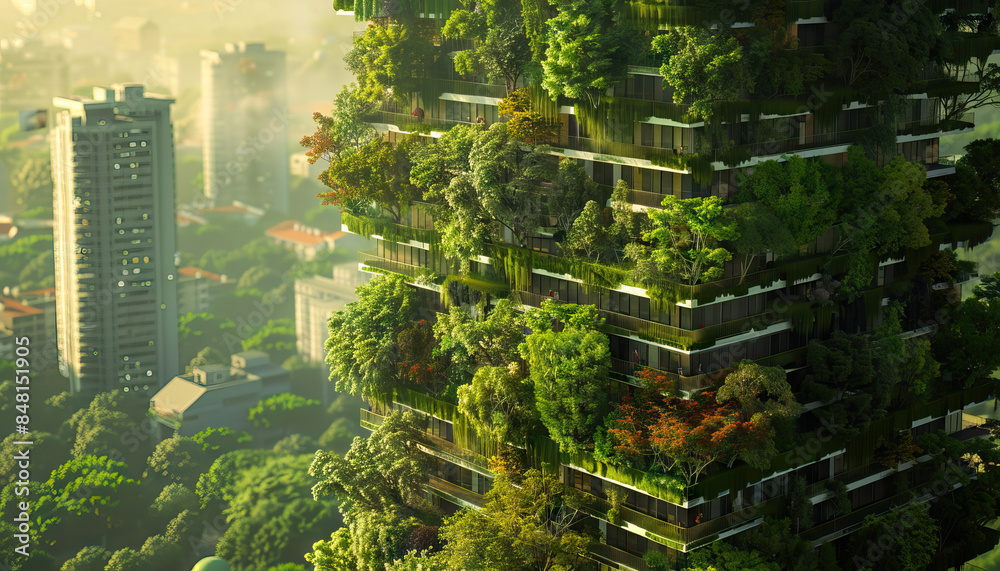
City planners and environmental experts are planting urban forests to improve air quality and reduce rising temperatures, making this an important environment and urban development news story for children. Urban forests are large groups of trees planted within cities to create greener and healthier living spaces.
Cities often have many buildings, roads, and vehicles. Scientists explain that these surfaces absorb heat from the sun and make cities warmer than nearby rural areas. This is known as the urban heat island effect. Trees help reduce this heat by providing shade and releasing moisture into the air.
Urban forests also improve air quality. Experts say trees absorb carbon dioxide and filter pollutants from the air. Cleaner air supports better health for residents, especially children and elderly people.
For children, this news matters because green spaces provide places to play, relax, and connect with nature. Parks and tree-lined streets create healthier and more enjoyable environments.
Urban forests support wildlife too. Birds, insects, and small animals find shelter and food in city trees. This increases biodiversity even in busy areas.
City governments are planning large-scale tree planting programs. Some cities aim to plant thousands of trees over several years. Environmental groups and volunteers often participate in these initiatives.
Schools are joining urban greening projects. Students help plant saplings and learn about tree care and environmental responsibility.
Experts emphasize choosing native tree species that grow well in local climates. Proper planning ensures long-term success.
Urban forests also help manage rainwater. Tree roots absorb water, reducing flooding during heavy rainfall.
Scientists continue studying how green spaces impact mental health. Research shows that spending time around trees reduces stress and improves mood.
Communities are encouraged to care for planted trees by watering them and protecting young saplings.
The development of urban forests shows how cities can balance growth with environmental protection. By planting trees, communities create cleaner air, cooler streets, and healthier habitats.
Learning about urban forests teaches children that simple actions like planting trees can make a lasting difference. Greener cities represent a sustainable future where nature and urban life exist together.