Scientists and agricultural researchers are developing climate-resilient crops to protect future food supplies, making this an important agriculture and food security news story. As climate change brings unpredictable weather, stronger crops are becoming essential for farmers around the world.
Climate-resilient crops are specially developed plants that can survive extreme conditions such as drought, floods, and high temperatures. Scientists explain that rising global temperatures and irregular rainfall patterns are affecting traditional farming methods.
Researchers are using advanced breeding techniques and genetic research to identify plant traits that help crops survive harsh environments. By combining these traits, scientists can create stronger varieties of rice, wheat, maize, and other staple foods.
For children, this news matters because food security ensures that everyone has enough safe and nutritious food. If crops fail due to extreme weather, food shortages and higher prices can occur.
Climate-resilient crops require less water and are more resistant to pests and diseases. This helps farmers maintain stable harvests even during challenging seasons.
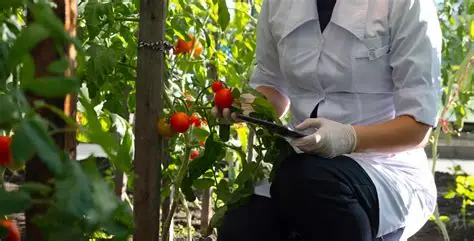
Agricultural scientists conduct field trials to test new crop varieties before distributing them to farmers.
Governments and research institutions are supporting sustainable farming initiatives to protect agriculture.
Experts emphasize that innovation must be combined with responsible farming practices such as soil conservation and water management.
Schools often teach students about agriculture and sustainability to increase awareness about food production.
Farmers are receiving training to adopt new crop varieties and improve farming techniques.
Researchers continue studying how climate patterns affect crop growth to improve future solutions.
The development of climate-resilient crops shows how science addresses global challenges.
Learning about food security teaches children the importance of sustainability and innovation.
By strengthening crops against climate risks, scientists are helping secure a stable food supply for future generations.