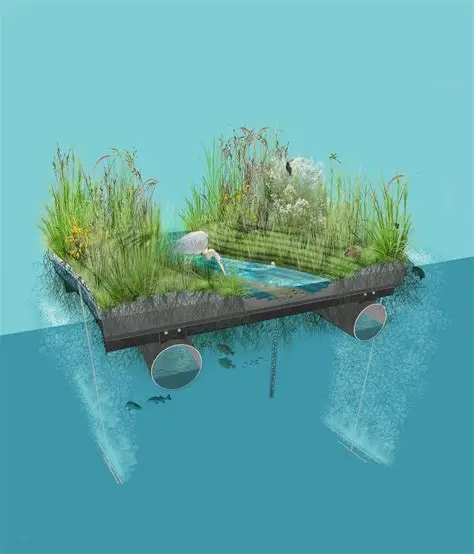
Scientists and environmental researchers are developing floating wetlands to clean polluted rivers and lakes, making this an important science and environmental protection news story. These floating platforms are designed to improve water quality naturally by using plants and microorganisms.
Floating wetlands are artificial islands made from lightweight materials that allow plants to grow on water surfaces. Experts explain that the roots of these plants hang below the platform and absorb pollutants such as excess nutrients, heavy metals, and harmful chemicals from the water.
Water pollution is a major problem in many cities due to industrial waste, sewage discharge, and plastic waste. Scientists say floating wetlands can help restore aquatic ecosystems without using harmful chemicals.
For children, this news matters because clean rivers and lakes are important for drinking water, farming, and wildlife. Polluted water can harm fish and other aquatic animals.
The plants used in floating wetlands are carefully selected for their ability to absorb contaminants. Microorganisms that grow around the roots also help break down harmful substances.
Engineers design these systems to be durable and able to withstand weather changes. Some floating wetlands are powered by solar panels to support small monitoring systems.
Cities are testing pilot projects in polluted water bodies to measure improvement in water quality.
Schools often include lessons on water conservation and environmental science to teach students about ecosystem restoration.
Experts emphasize that while floating wetlands help clean water, preventing pollution at the source remains crucial.
Environmental organizations support community participation in river-cleaning campaigns.
Researchers continue studying how different plant species affect purification efficiency.
The development of floating wetlands demonstrates how natural solutions can address environmental challenges.
Learning about eco-friendly technologies teaches children the importance of sustainability and conservation.
By combining nature and science, floating wetlands offer a promising way to restore polluted waterways and protect ecosystems for future generations.