Education experts say problem-solving skills are one of the most important abilities students should develop during their school years. These skills help students think carefully, analyze situations, and find solutions when they face challenges.
In school, students often encounter different types of problems, such as difficult math questions, complex science concepts, or challenging projects. Experts explain that learning how to solve problems step by step helps students handle these situations with confidence.
Problem-solving is not only about finding the correct answer but also about understanding the process of reaching that answer.
For students, this news matters because strong problem-solving skills help them succeed in school and in everyday life.
Experts recommend starting by clearly understanding the problem before trying to solve it.
Students should read questions carefully and identify what information is given.
Teachers encourage students to break big problems into smaller steps.
Experts say this approach makes difficult problems easier to manage.
Students can also think about different possible solutions before choosing the best one.
Parents can support problem-solving skills by encouraging children to think independently when facing challenges.
Experts emphasize that mistakes are part of the learning process.
When students make mistakes, they can learn what did not work and try a new approach.
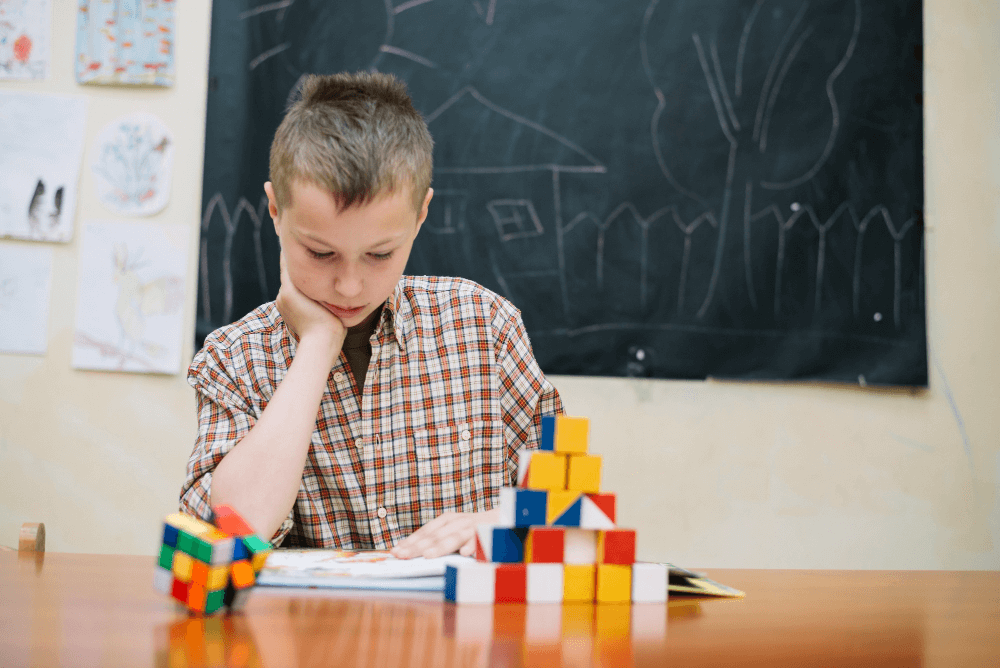
Teachers often use puzzles, brainteasers, and real-life examples to help students practice problem-solving.
Experts say these activities improve logical thinking and creativity.
Students can also develop problem-solving skills through group discussions and teamwork.
Working with others allows students to hear different ideas and solutions.
Experts recommend practicing problem-solving regularly through exercises and projects.
Students who develop this skill become more confident when facing difficult situations.
Teachers encourage students to stay patient and keep trying different methods.
Experts say problem-solving skills are useful not only in school subjects but also in real-life situations.
Students who practice these skills often become better decision-makers.
Problem-solving also helps students become more independent learners.
By developing strong problem-solving skills, students can face challenges with confidence, think creatively, and build abilities that support both academic success and future opportunities.