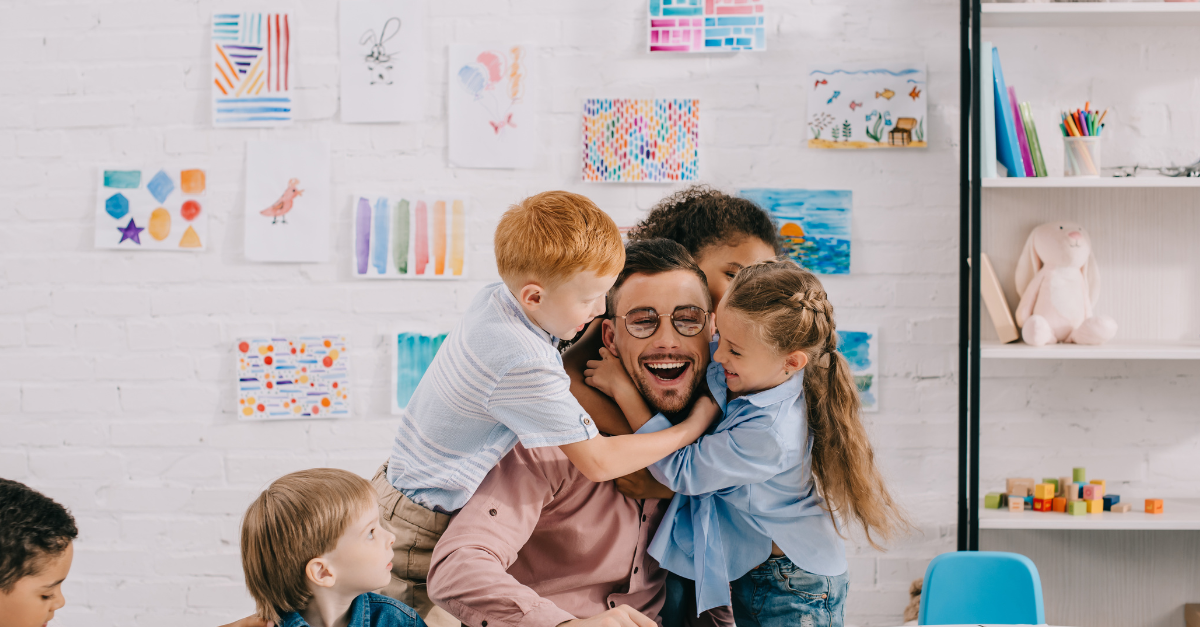
Learning to appreciate others is an important habit that helps students build kindness, respect, and positive relationships. Appreciation means recognizing and valuing the good qualities, efforts, and achievements of others.
Many students notice mistakes quickly but forget to praise good actions. This can make others feel unrecognized or discouraged.
When students learn to appreciate others sincerely, they create happiness and stronger friendships.
For students, this matters because positive relationships improve emotional well-being and teamwork.
Students can praise friends for good work, helpful behavior, or achievements.
They can use kind words like “well done,” “good job,” or “thank you.”
This helps in building encouragement and respect.
Teachers encourage students to appreciate each other’s efforts in classrooms and activities.
Appreciation improves confidence and social skills.
Students who follow this habit often become more caring and friendly.
Parents can support this by teaching children the importance of gratitude and encouragement.
Students should avoid jealousy or negative comments about others’ success.
This helps in creating a healthy and supportive environment.
Teachers say appreciating others reflects maturity and strong values.
Students can clap or encourage classmates during competitions and presentations.
This helps in improving teamwork and positivity.
Learning to appreciate others also teaches empathy and emotional understanding.
Students who follow this habit often feel happier and more connected with others.
This habit improves communication and leadership skills.
Students can make appreciation part of their daily behavior.
Teachers encourage positive interaction and value-based learning.
This method helps students become respectful and compassionate individuals.
Kind words create stronger friendships and peaceful environments.
Students who appreciate others regularly often inspire kindness in others too.
Small words of encouragement can create big happiness.
By learning to appreciate others, students can build kindness, improve relationships, and develop habits that support emotional growth and positive social values.