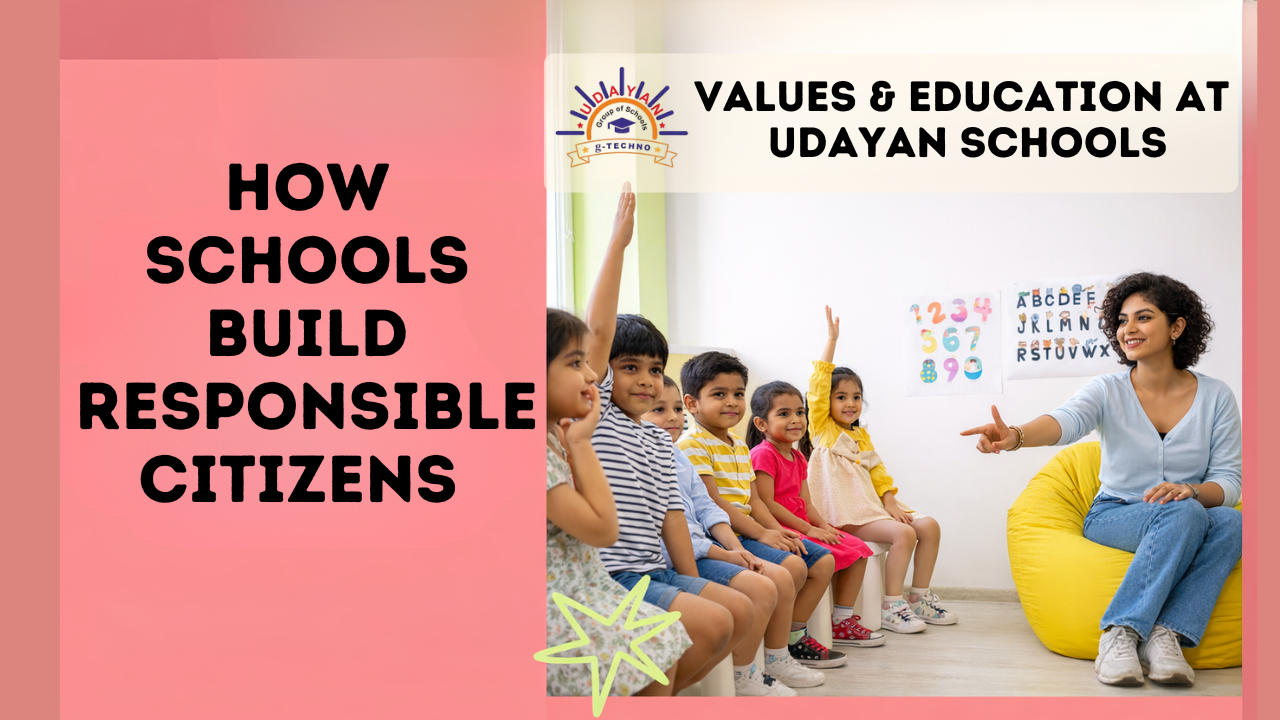
Learning to care for public property is an important habit that helps students become responsible and respectful citizens. Public property includes parks, school furniture, buses, libraries, playgrounds, and other places or things used by everyone.
Many people damage public property by writing on walls, breaking benches, or throwing garbage in public places. This creates problems for the community and wastes resources.
When students learn to protect public property, they develop responsibility and civic awareness.
For students, this matters because responsible behavior creates cleaner and safer communities.
Students can keep classrooms, parks, and playgrounds clean.
They can use public facilities carefully without damaging them.
This helps in maintaining shared spaces properly.
Teachers encourage students to respect school property and public places.
Caring for public property improves discipline and social responsibility.
Students who follow this habit often become more thoughtful and respectful.
Parents can support this by teaching children the importance of community care.
Students should avoid scribbling on desks, walls, or public transport.
This helps in protecting valuable resources.
Teachers say responsible citizens respect things that belong to everyone.
Students can encourage friends to keep public places clean and safe.
This helps in creating community awareness.
Learning to care for public property also teaches honesty and accountability.
Students who follow this habit often feel proud of helping society.
This habit improves discipline and environmental awareness.
Students can make civic responsibility part of their daily behavior.
Teachers encourage community service and value-based learning.
This method helps students become responsible and caring individuals.
Protecting public property creates better schools, parks, and neighborhoods.
Students who care for public property regularly often inspire others too.
Small responsible actions can create big positive change.
By learning to care for public property, students can become responsible citizens, improve discipline, and develop habits that support community welfare and social responsibility.