The Earth is our home, and it provides us with everything we need to live—clean air, fresh water, food, forests, and wildlife. However, rapid urbanization, pollution, deforestation, and climate change are putting immense pressure on our environment. Protecting nature is no longer the responsibility of governments and scientists alone. Every individual, including children, has an important role to play in conserving the environment and building a sustainable future.
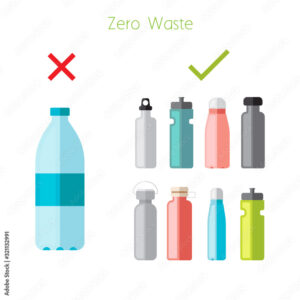
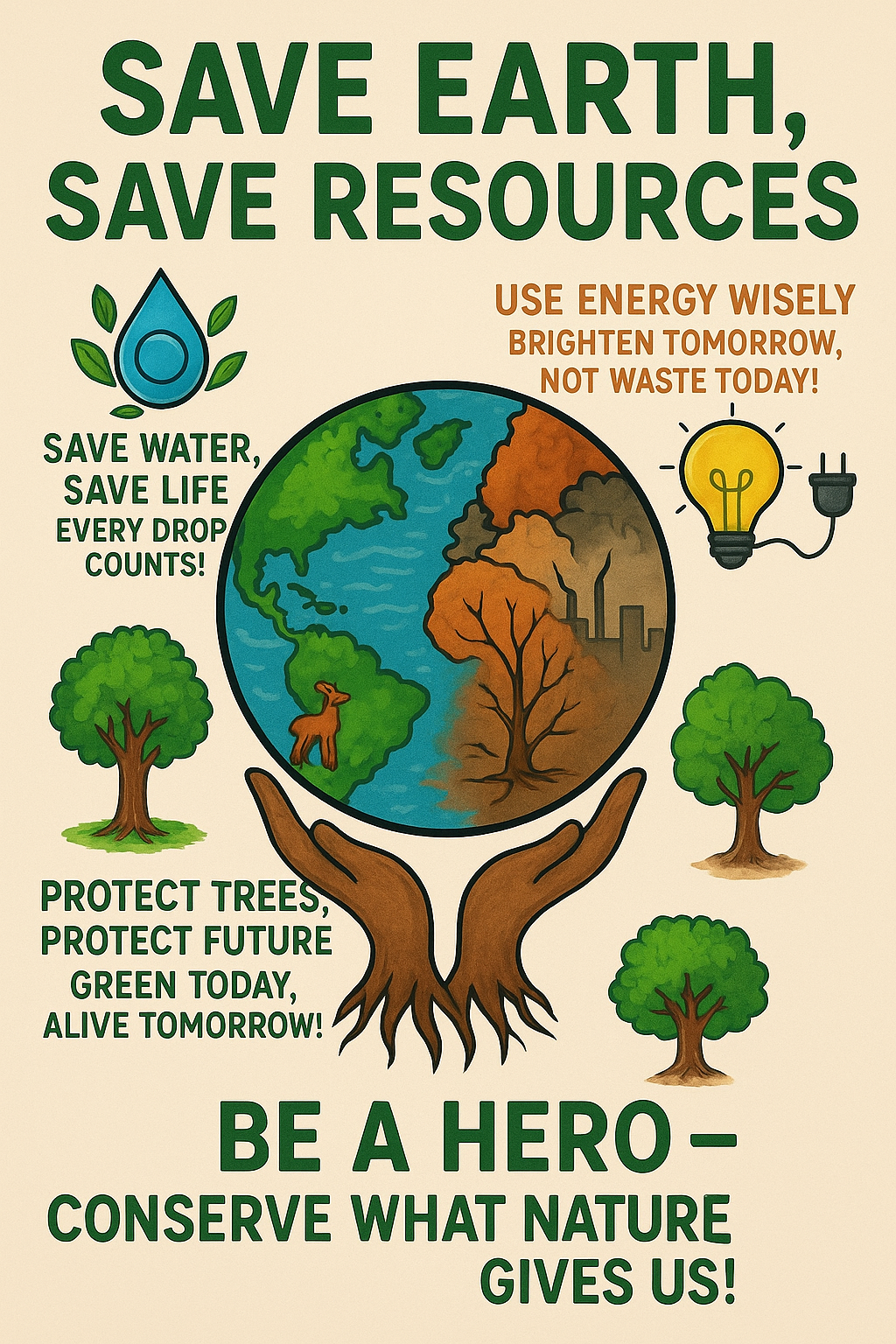
Environmental conservation begins with small daily habits. Children can learn to switch off lights and fans when not in use, save water while brushing their teeth, avoid wasting food, and use reusable bottles and bags instead of single-use plastics. These simple actions may seem small, but when practiced by millions of people, they can create a significant positive impact.
Planting trees is one of the most effective ways to protect the environment. Trees absorb carbon dioxide, release oxygen, reduce air pollution, and provide shelter for birds and animals. Schools can encourage students to participate in tree plantation drives and care for plants within the school campus. Watching a sapling grow into a tree teaches children responsibility, patience, and respect for nature.
Waste management is another important aspect of environmental conservation. Children should learn the principles of the 3Rs—Reduce, Reuse, and Recycle. Reducing unnecessary consumption, reusing items whenever possible, and recycling paper, plastic, glass, and metal help conserve natural resources and reduce the amount of waste sent to landfills. Schools can organize recycling campaigns and creative competitions using waste materials to promote environmental awareness.
Children should also be encouraged to appreciate biodiversity. Visiting parks, nature reserves, botanical gardens, and wildlife sanctuaries helps them understand the importance of protecting plants and animals. Learning about endangered species and ecosystems inspires children to become responsible guardians of nature.
Environmental education should not remain limited to textbooks. Practical activities such as cleanliness drives, rainwater harvesting projects, composting organic waste, and celebrating occasions like World Environment Day and Earth Day help students connect classroom learning with real-life action. These experiences develop environmental responsibility and encourage lifelong sustainable habits.
Parents play an equally important role by setting positive examples at home. Using public transport when possible, reducing plastic usage, conserving electricity, and practicing waste segregation teach children that environmental responsibility begins with everyday choices. When families and schools work together, children understand that protecting the environment is a shared responsibility.
The future of our planet depends on the actions we take today. Every child has the power to make a difference through simple acts of kindness towards nature. By adopting eco-friendly habits and inspiring others to do the same, young people can become leaders in the global movement for environmental conservation.
As the famous saying reminds us, “We do not inherit the Earth from our ancestors; we borrow it from our children.” By protecting our environment today, we ensure that future generations inherit a cleaner, greener, and healthier world. Small actions, when performed consistently, can create extraordinary change—and every child has the ability to be a champion for the planet.