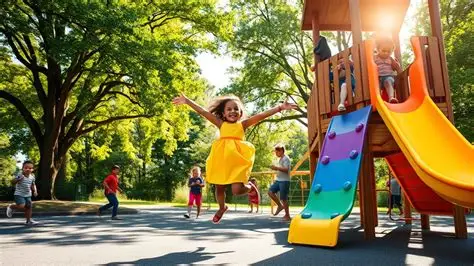
In today’s fast-paced digital world, children spend more time indoors than ever before. Smartphones, television, video games, and online learning have reduced the time children spend playing outside. While technology offers many educational benefits, it can never replace the physical, mental, and social advantages of outdoor play. Running, jumping, climbing, cycling, and exploring nature are essential activities that help children grow into healthy, confident, and happy individuals.
Outdoor play is one of the best forms of exercise for children. It strengthens muscles and bones, improves balance and coordination, and promotes overall physical fitness. Activities such as football, cricket, badminton, skipping, and cycling help children stay active and reduce the risk of obesity and lifestyle-related health problems. Spending time outdoors also exposes children to fresh air and sunlight, which helps the body produce Vitamin D—an essential nutrient for strong bones and a healthy immune system.
Playing outside also contributes significantly to a child’s mental well-being. Nature has a calming effect that helps reduce stress and anxiety. Children who spend time outdoors are often happier, more energetic, and better able to concentrate in school. After an active play session, they return to the classroom with improved focus and readiness to learn.
Outdoor games teach valuable life skills that cannot always be learned in a classroom. Team sports encourage cooperation, communication, leadership, and respect for rules. Children learn how to celebrate victories with humility and accept defeats with grace. These experiences build resilience, confidence, and emotional maturity, preparing them to face challenges in everyday life.
Another important benefit of outdoor play is the development of creativity and problem-solving skills. When children build sandcastles, create games with friends, or explore parks and gardens, they use their imagination and learn to think independently. Unlike structured indoor activities, outdoor play allows children the freedom to experiment, discover, and create.
Parents and schools should work together to ensure that children have adequate opportunities for outdoor activities every day. Limiting recreational screen time, organizing sports events, encouraging family walks, and providing safe playgrounds can help children develop healthy habits that last a lifetime.
A balanced childhood includes both learning in the classroom and playing in the open air. Outdoor play is not merely entertainment—it is an essential part of a child’s physical, emotional, social, and intellectual development. By encouraging children to step outside, explore nature, and stay active, we help them build healthier bodies, stronger minds, and brighter futures. After all, every hour spent playing outdoors is an investment in a child’s overall well-being and lifelong success.