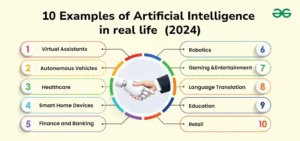
Artificial Intelligence (AI) is no longer a technology of the future—it is already a part of our daily lives. From voice assistants and online shopping recommendations to navigation apps and smart devices, AI is everywhere. As this technology continues to transform the world, it is essential that children understand not only how to use AI but also how to use it responsibly. Schools and parents have a shared responsibility to prepare young learners for an AI-driven future.
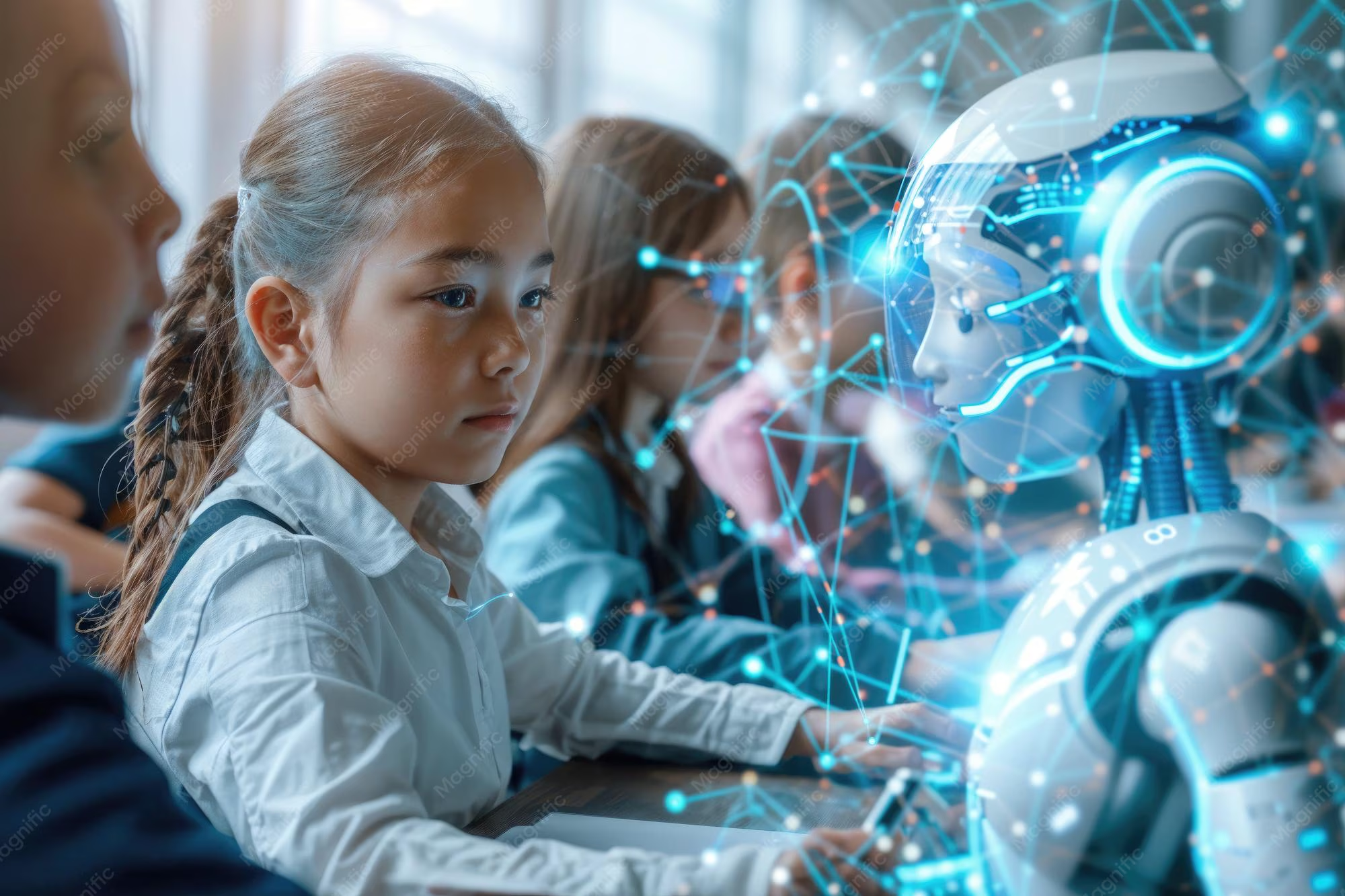
AI can make learning more engaging and personalized. Educational platforms powered by AI can identify a student’s strengths and weaknesses, offering customized lessons that match their learning pace. A child who struggles with mathematics can receive additional practice, while another who excels can explore advanced topics. This personalized approach helps every learner progress with confidence.
Teachers also benefit from AI. Routine tasks such as grading objective tests, organizing lesson materials, and tracking student performance can be automated, allowing educators to focus more on teaching, mentoring, and inspiring students. AI should be viewed as a supportive tool rather than a replacement for teachers. Human guidance, empathy, and creativity remain irreplaceable in education.
One of the greatest advantages of AI is that it encourages curiosity. Students can explore virtual science experiments, practice new languages, solve coding challenges, and access educational resources from around the world. AI-powered tools make learning interactive and enjoyable, helping children develop problem-solving and critical-thinking skills.
However, with these opportunities come responsibilities. Children must learn to verify information generated by AI, as it may sometimes produce incorrect or misleading content. They should also understand the importance of protecting personal information and using technology ethically. AI should assist learning, not replace independent thinking or creativity.
Parents can introduce AI through age-appropriate educational apps, coding games, and supervised projects. Instead of fearing technology, families should encourage children to ask questions, experiment, and understand how AI works in everyday life. Discussing topics such as digital safety, online privacy, and responsible screen time helps children become informed digital citizens.
Schools should integrate AI awareness into the curriculum through practical activities, robotics clubs, coding workshops, and project-based learning. Students should learn not only how AI functions but also its impact on society, careers, healthcare, agriculture, and environmental conservation. Understanding both the benefits and limitations of AI prepares children to make thoughtful decisions in the future.
The careers of tomorrow will increasingly require digital skills, creativity, collaboration, and adaptability. Whether a child dreams of becoming a doctor, engineer, artist, scientist, entrepreneur, or teacher, understanding AI will be an advantage. The goal is not to make every student an AI expert but to ensure every child is confident in using technology responsibly and effectively.
Artificial Intelligence is transforming education and shaping the future of work. By combining technology with human values such as honesty, curiosity, compassion, and critical thinking, we can prepare children to become innovative problem-solvers and responsible global citizens. The future belongs not only to those who use AI but to those who understand it wisely and use it for the betterment of society.