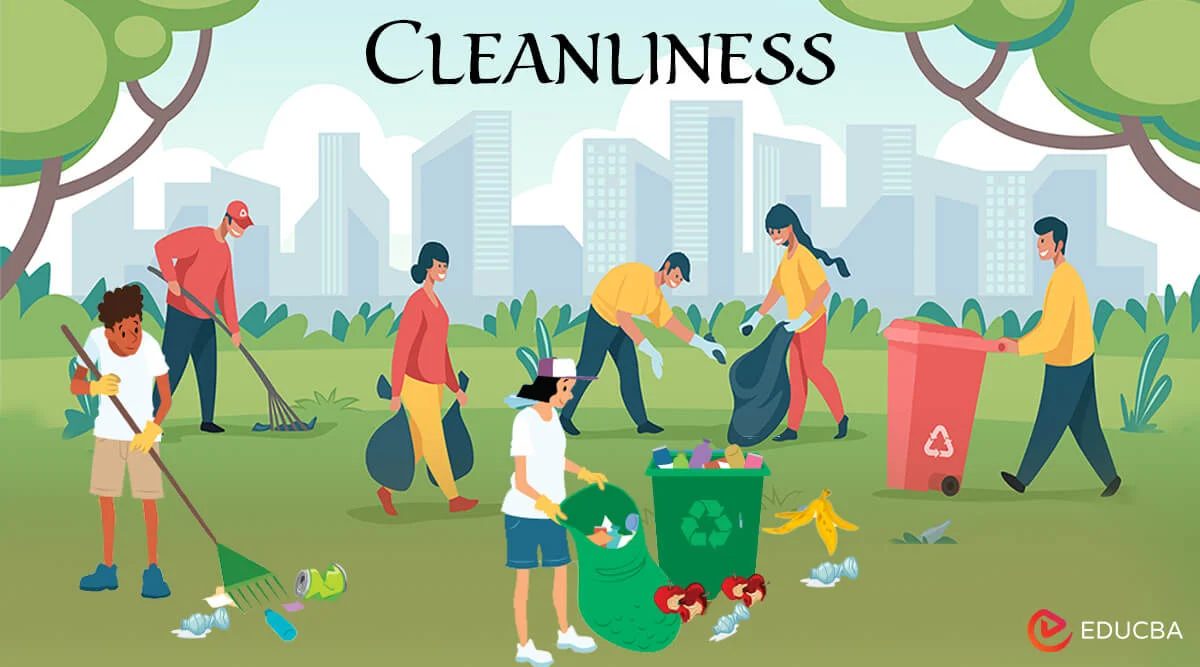
Cleanliness is one of the most important habits that every child should develop from an early age. It is not only about keeping ourselves clean but also about maintaining cleanliness in our homes, schools, and surroundings. Clean habits protect us from diseases, create a pleasant environment, and reflect our discipline and respect for others. As the saying goes, “Cleanliness is next to godliness,” reminding us that cleanliness is a sign of good character and responsible living.
Personal hygiene is the first step towards cleanliness. Children should develop simple daily habits such as bathing regularly, brushing their teeth twice a day, washing their hands before eating and after using the toilet, trimming their nails, and wearing clean clothes. These habits help prevent the spread of germs and keep the body healthy. Good hygiene also boosts self-confidence and creates a positive impression wherever children go.
Keeping the classroom clean is equally important. Students should avoid throwing paper, plastic wrappers, or food waste on the floor. Dustbins should always be used for disposing of waste properly. A clean classroom creates a healthy learning environment where students can concentrate better and enjoy their studies. Every student should take responsibility for keeping school property neat and well-maintained.
Cleanliness should also extend to our homes and neighbourhoods. Families can encourage children to keep their rooms tidy, arrange their books and toys neatly, and help with simple household chores. Participating in community cleanliness drives teaches children that maintaining public spaces is everyone’s responsibility. Clean streets, parks, and public places improve the quality of life for the entire community.
Another important aspect of cleanliness is waste management. Children should learn to separate biodegradable and non-biodegradable waste and understand the importance of recycling. Reusing materials whenever possible and reducing plastic waste help protect the environment. Small actions, such as carrying reusable water bottles and cloth bags, can make a significant difference in reducing pollution.
Schools play a major role in promoting cleanliness through awareness programmes, cleanliness campaigns, and activities such as Swachh Bharat Abhiyan. Organizing classroom competitions, poster-making contests, and campus cleaning drives encourages students to take pride in maintaining a clean environment. These activities help children understand that cleanliness is not just a one-day event but a lifelong responsibility.
Parents and teachers should lead by example. Children are more likely to develop clean habits when they see adults practising good hygiene and maintaining clean surroundings. Simple reminders, positive reinforcement, and appreciation for clean behaviour encourage children to make cleanliness a part of their daily routine.
Cleanliness also has a direct impact on health. Proper sanitation and hygiene reduce the spread of diseases such as diarrhoea, dengue, malaria, and respiratory infections. A clean environment means fewer germs, cleaner air, and healthier communities. By maintaining cleanliness, children not only protect themselves but also contribute to the well-being of others.
The habit of cleanliness develops discipline, responsibility, and respect for the environment. It teaches children that every individual has a role in creating a healthier and more beautiful world. Whether it is keeping a classroom clean, planting trees, disposing of waste responsibly, or conserving natural resources, every small effort contributes to a cleaner future.
As Mahatma Gandhi said, “Sanitation is more important than independence.” By teaching children the importance of cleanliness, we help them become healthy, disciplined, and responsible citizens. A clean child grows into a responsible adult, and a clean community builds a stronger and healthier nation. Clean habits practiced today will create a brighter, safer, and more sustainable tomorrow.