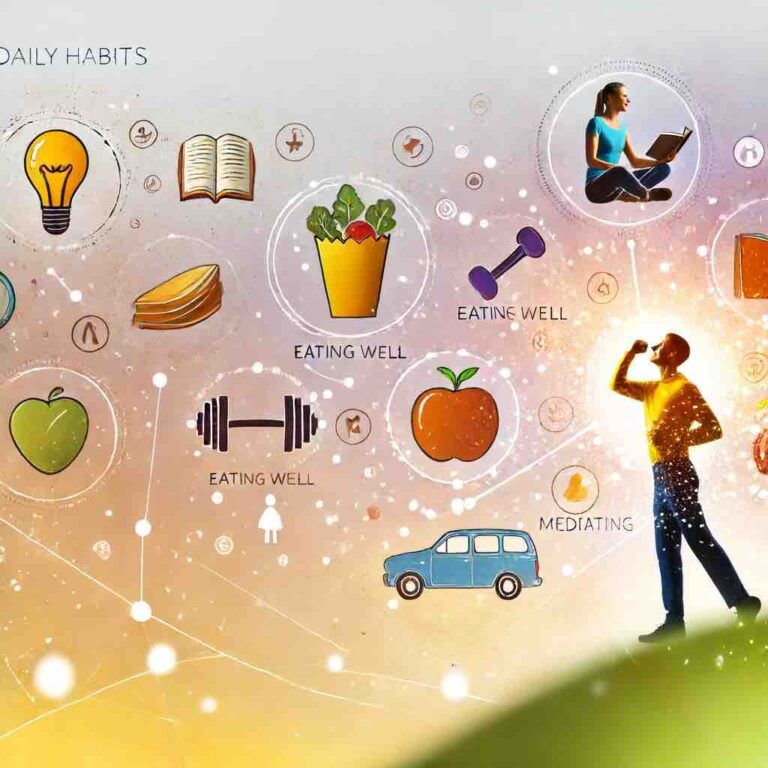
Good habits are the building blocks of a successful and meaningful life. The habits children develop during their early years influence their character, behaviour, health, and future achievements. A habit is an action that is repeated regularly until it becomes a natural part of daily life. While good habits lead to success and happiness, bad habits can create difficulties and prevent children from reaching their full potential. Therefore, it is important to encourage positive habits from an early age.
One of the most important good habits is maintaining a daily routine. Waking up early, getting ready for school on time, completing homework, eating healthy meals, exercising, and sleeping at a fixed time help children stay organized and disciplined. A regular routine improves physical health, reduces stress, and allows children to manage their time effectively.
Personal hygiene is another essential habit. Brushing teeth twice a day, washing hands before meals, bathing regularly, wearing clean clothes, and keeping nails trimmed protect children from infections and illnesses. Good hygiene also builds self-confidence and teaches children to care for themselves and those around them.
Reading every day is a habit that enriches the mind. Whether it is a storybook, a newspaper, a science magazine, or a biography, reading expands knowledge, improves vocabulary, and develops imagination. Even spending fifteen to twenty minutes reading each day can significantly improve a child’s language and thinking skills.
Honesty is a habit that builds trust and respect. Children should always tell the truth, admit their mistakes, and avoid cheating or copying. Honest behaviour strengthens relationships with parents, teachers, and friends. Although telling the truth may sometimes seem difficult, honesty always earns respect in the long run.
Another valuable habit is being punctual. Arriving at school on time, submitting assignments before deadlines, and respecting other people’s time show responsibility and discipline. Punctual children learn to value time and become more dependable in every aspect of life.
Helping others is a habit that develops kindness and compassion. Assisting parents with household chores, helping classmates understand lessons, sharing with those in need, and showing respect to elders teach children the importance of caring for others. Small acts of kindness create stronger families, happier schools, and more united communities.
Healthy eating and regular physical activity are habits that support lifelong well-being. Choosing nutritious food, drinking enough water, playing outdoor games, and exercising every day help children stay fit, energetic, and mentally alert. Avoiding excessive junk food and limiting screen time also contribute to a healthier lifestyle.
Parents and teachers play the most important role in shaping children’s habits. Children learn by observing adults. When parents are punctual, respectful, honest, and disciplined, children naturally imitate these behaviours. Teachers reinforce these values through classroom routines, encouragement, and positive role models. Consistent guidance from both home and school helps good habits become lifelong practices.
Developing good habits takes time and patience. Children may not change overnight, but with regular practice and encouragement, positive habits become part of their personality. Every small step, whether reading a few pages, helping at home, or speaking politely, contributes to building strong character.
As Aristotle wisely said, “Good habits formed in youth make all the difference.” By encouraging children to develop positive habits today, we prepare them for a lifetime of success, health, and happiness. Good habits may seem like small actions, but together they create a strong foundation for a bright future. A child with good habits grows into a responsible adult who inspires others and contributes positively to society.