Technology has transformed the way we live, learn, and communicate. Computers, smartphones, tablets, and the internet have made information available within seconds and connected people across the globe. For children, technology has opened new opportunities to learn, create, and explore. However, like any powerful tool, technology must be used responsibly. Teaching children how to use technology wisely is essential for their safety, education, and overall development.
Technology has become an important part of education. Students can attend online classes, conduct research, watch educational videos, and use interactive learning apps to understand difficult concepts. Digital tools make learning more engaging and allow children to explore subjects beyond their textbooks. They can learn coding, create presentations, design artwork, and even collaborate with students from different parts of the world.
While technology offers many benefits, excessive use can create problems. Spending too much time on mobile phones, video games, or social media can reduce physical activity, affect eyesight, disturb sleep, and decrease concentration. It may also limit face-to-face interactions with family and friends. Children should understand that technology should support learning and recreation, not replace real-life experiences.
One of the most important aspects of responsible technology use is managing screen time. Children should follow a balanced daily routine that includes studies, outdoor play, reading, hobbies, family time, and adequate sleep. Setting specific times for using digital devices helps prevent overuse and encourages healthy habits. Parents and teachers should work together to guide children in maintaining this balance.
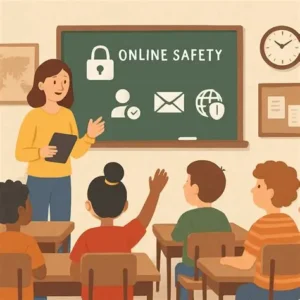
Online safety is another important lesson. Children should never share personal information such as their home address, phone number, passwords, or school details with strangers on the internet. They should avoid clicking suspicious links, downloading unknown files, or accepting friend requests from people they do not know. If they ever feel uncomfortable or encounter inappropriate content online, they should immediately inform a trusted adult.
Responsible technology use also includes practising good digital manners. Children should communicate politely, avoid spreading rumours, and never post hurtful comments or messages. Cyberbullying can seriously affect a person’s emotional well-being, so students should learn to treat others with the same respect online that they show in person. Every digital action leaves a lasting impression and should reflect kindness and responsibility.
Parents play a vital role in developing healthy technology habits. Instead of using digital devices as a constant source of entertainment, families can encourage meaningful activities such as reading books, playing outdoor games, cooking together, or engaging in creative hobbies. Parents should also set a positive example by using technology responsibly and spending quality time with their children without digital distractions.
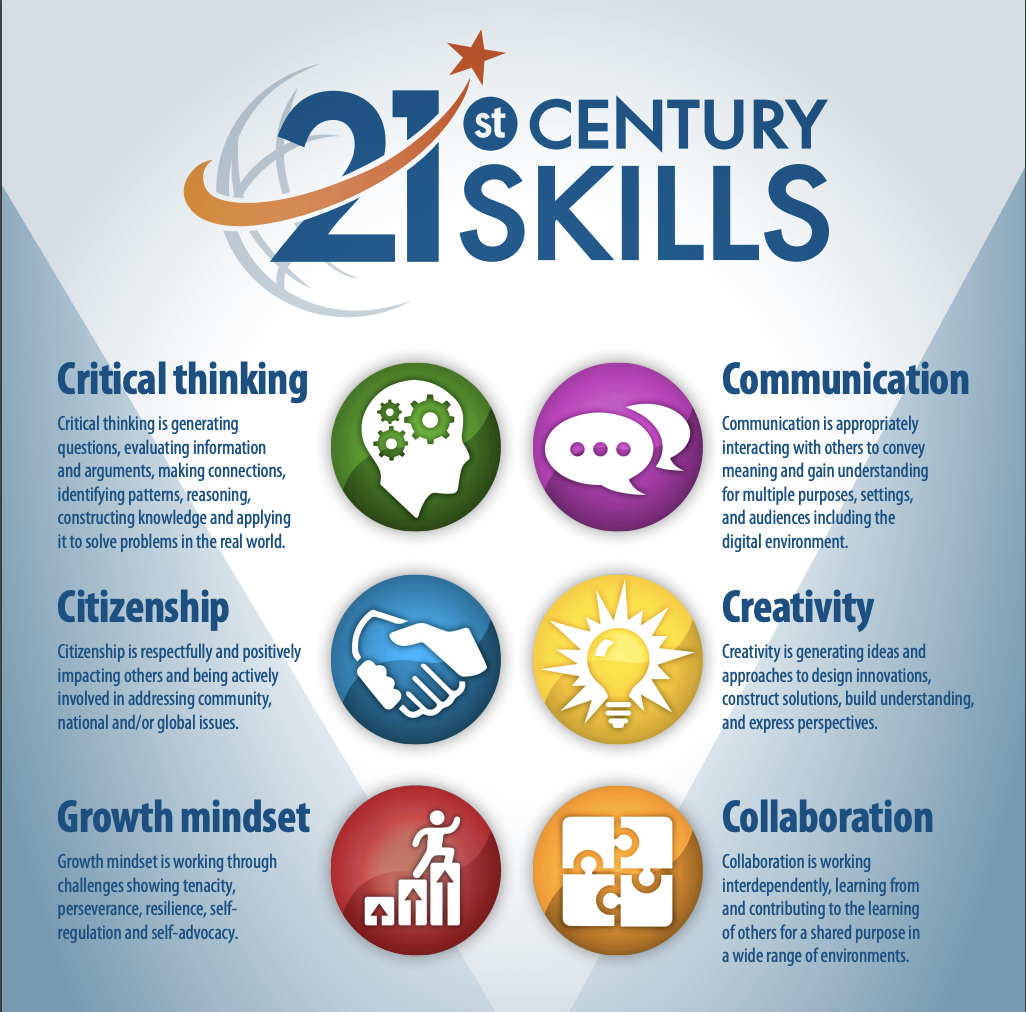
Schools can strengthen digital literacy by teaching students about online safety, cyber ethics, digital citizenship, and responsible internet use. Activities such as coding classes, robotics clubs, and technology workshops help children understand that technology is a tool for creativity, innovation, and learning rather than merely a source of entertainment.
The future will belong to those who can use technology wisely and ethically. Every profession, from medicine and engineering to agriculture and education, now depends on digital skills. Children who learn to use technology responsibly will be better prepared for higher education, successful careers, and active participation in a digital society.
As the famous educator Alvin Toffler wisely said, “The illiterate of the 21st century will not be those who cannot read and write, but those who cannot learn, unlearn, and relearn.” By teaching children to use technology with balance, responsibility, and purpose, we prepare them to become confident digital citizens who use innovation to improve their lives and contribute positively to the world.