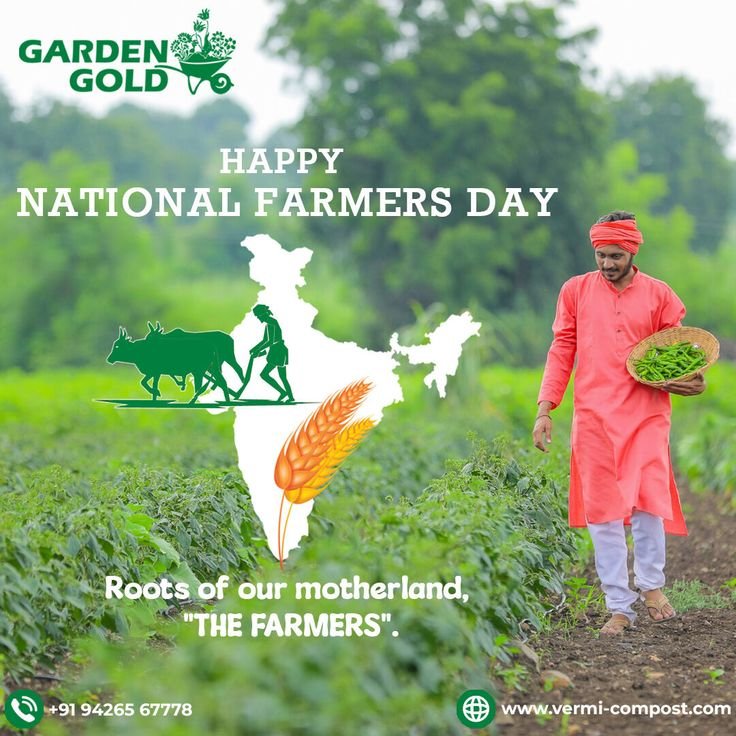
Every meal we enjoy begins with the hard work of a farmer. The rice, wheat, fruits, vegetables, milk, and other food items on our dining table are the result of months of dedication, patience, and perseverance. Farmers are the backbone of every nation because they produce the food that sustains life. Teaching children to appreciate and respect farmers helps them understand the value of food, hard work, and gratitude.
Farming is one of the oldest and most important professions in the world. Farmers work in fields throughout the year, often facing scorching heat, heavy rain, cold weather, and many uncertainties. They prepare the soil, sow seeds, irrigate crops, protect them from pests, and patiently wait for the harvest. Their work requires knowledge, skill, and determination. Despite these challenges, they continue to provide food for millions of people every day.
Children often see food only after it reaches their plates, but they should understand the long journey it takes before arriving at their homes. A single grain of rice or a loaf of bread represents the efforts of farmers, transport workers, market vendors, and many others. Learning about this journey helps children develop respect for food and avoid wasting it.
Food wastage is a serious concern across the world. Throwing away food not only wastes valuable resources such as water, soil, and energy but also disrespects the hard work of farmers. Children should be encouraged to take only as much food as they can eat, finish their meals, and store leftover food properly. Every saved meal is a way of honouring the efforts of those who produced it.
Modern farming combines traditional knowledge with new technology. Today, many farmers use tractors, irrigation systems, drones, weather forecasting, and scientific methods to improve crop production. These innovations help increase productivity while protecting natural resources. Children should learn that agriculture is a field of science, innovation, and continuous learning.
Schools can help students appreciate agriculture by organizing visits to farms, celebrating Farmers’ Day, and creating school gardens where children grow vegetables or flowers. Planting seeds and caring for plants gives students firsthand experience of the patience and effort required to grow food. Such activities also strengthen their connection with nature.
Parents can encourage gratitude by involving children in simple gardening activities at home and discussing the importance of agriculture during family meals. Watching documentaries about farming or reading books about agriculture can also help children understand the role farmers play in society.
Respecting farmers also means supporting sustainable farming practices. Children should learn about conserving water, protecting soil, reducing food waste, and respecting the environment. Healthy farms depend on healthy ecosystems, and protecting nature ensures that future generations will continue to have enough food.
Agriculture offers many exciting career opportunities beyond traditional farming. Agricultural scientists, food technologists, horticulturists, veterinarians, irrigation engineers, and environmental experts all contribute to improving food production and ensuring food security. Children interested in science and nature may one day become innovators who help farmers grow more food while protecting the environment.
As the famous saying goes, “No farmers, no food; no food, no future.” By teaching children to appreciate the dedication and hard work of farmers, we help them develop gratitude, responsibility, and respect for those who nourish the nation. Every meal should remind us of the countless hands that worked tirelessly to bring food to our table. A grateful child who values food and respects farmers grows into a responsible citizen who understands that the prosperity of a nation begins in its fields.