Have you ever held a tiny seed in your hand and wondered how something so small can grow into a huge tree? A single seed has the remarkable ability to develop into a plant that produces flowers, fruits, shade, and even oxygen for all living beings. The journey of a seed is one of nature’s greatest miracles. It teaches children valuable lessons about patience, growth, perseverance, and the importance of caring for the environment.
A seed is the beginning of a new plant. It contains a tiny baby plant called an embryo and a supply of stored food that helps it grow during its early stages. The outer covering of the seed protects it from damage until the conditions are right for growth. Although seeds appear lifeless, they are actually living structures waiting for the right opportunity to begin their journey.
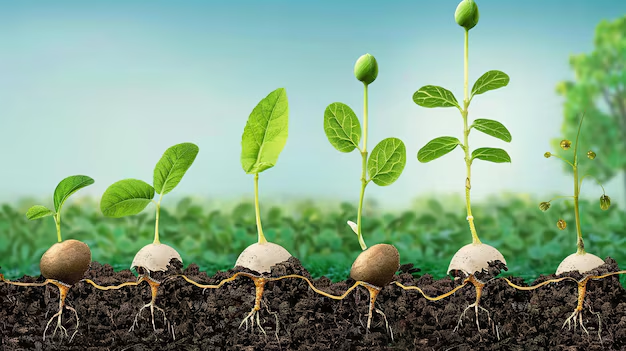
For a seed to grow, it needs four basic things: water, air, sunlight, and suitable soil. When a seed is planted in moist soil, it absorbs water and begins to swell. This process is called germination. During germination, the seed coat softens and breaks open. The tiny root emerges first and grows downward into the soil to absorb water and nutrients. Soon after, a small shoot grows upward towards the sunlight.
As the young plant grows, its first leaves appear. These leaves are very important because they begin the process of photosynthesis. During photosynthesis, plants use sunlight, water, and carbon dioxide from the air to produce their own food. This amazing process also releases oxygen into the atmosphere, making life possible for humans and animals. Every green plant on Earth acts like a natural factory, producing food while helping keep the air clean.
As months and years pass, the small plant becomes stronger. Its roots spread deeper into the ground, providing stability and absorbing more water and minerals. The stem becomes thicker and eventually forms a strong trunk. Branches grow in different directions, and more leaves appear. Depending on the type of plant, beautiful flowers may bloom, followed by delicious fruits containing new seeds. In this way, the life cycle begins again.
Trees are among the most valuable gifts of nature. They provide oxygen, reduce pollution, prevent soil erosion, and offer shelter to birds, insects, and animals. Their roots help hold the soil together during heavy rains, reducing the risk of floods and landslides. Trees also absorb carbon dioxide from the atmosphere, helping to reduce the effects of climate change. In addition, they provide fruits, medicines, timber, paper, and countless other resources that support human life.
Many animals depend entirely on trees for survival. Birds build nests on branches, squirrels store food in tree trunks, monkeys find shelter among leaves, and insects pollinate flowers. Without trees, many species would lose their homes and food sources. A healthy forest is like a living community where plants, animals, insects, and microorganisms all depend on one another.
Seeds travel in many interesting ways. Some are carried by the wind, while others float on water to new locations. Birds and animals often eat fruits and later spread the seeds through their droppings. Some seeds even have tiny hooks that attach to animal fur or people’s clothing, allowing them to travel long distances. These natural methods help plants spread across forests, fields, and mountains.
Children can learn many important lessons from the journey of a seed. A seed does not become a tree overnight. It grows slowly, facing strong winds, heavy rains, hot summers, and cold winters. Yet it continues to grow patiently every day. Similarly, children should understand that success in studies, sports, music, or any other field requires time, dedication, and perseverance. Great achievements are built through consistent effort, just as a mighty tree begins as a tiny seed.
Gardening is one of the best ways for children to understand this journey. Planting seeds in school gardens or at home allows them to observe each stage of growth closely. Watering plants regularly, removing weeds, and protecting young saplings teach responsibility and patience. Watching a plant grow from a tiny seed into a healthy tree gives children a deep appreciation for nature and the importance of environmental conservation.
Schools can encourage environmental awareness by organizing tree plantation drives, gardening clubs, and nature observation activities. Students can maintain small gardens, learn about different plant species, and understand the role of plants in maintaining ecological balance. These practical experiences make science enjoyable while developing respect for the environment.
Parents also play an important role by involving children in gardening activities at home. Growing vegetables, herbs, or flowering plants in pots teaches children where food comes from and how plants contribute to daily life. Such activities strengthen family bonds while encouraging healthy outdoor experiences instead of excessive screen time.
The future of our planet depends greatly on how we care for plants and trees today. Rapid urbanization, deforestation, and pollution have reduced green spaces in many parts of the world. Every tree planted today helps create cleaner air, cooler surroundings, richer biodiversity, and a healthier environment for future generations. Even one tree planted by a child can continue benefiting people and wildlife for decades.
As the famous environmentalist Wangari Maathai said, “When we plant trees, we plant the seeds of peace and hope.” The journey of a seed reminds us that great things often begin with the smallest beginnings. By teaching children to plant, protect, and appreciate trees, we nurture not only a greener planet but also values such as patience, responsibility, and hope. Every mighty forest once began with a single tiny seed, and every child has the potential to grow into someone who makes the world a better place through care, determination, and love for nature.