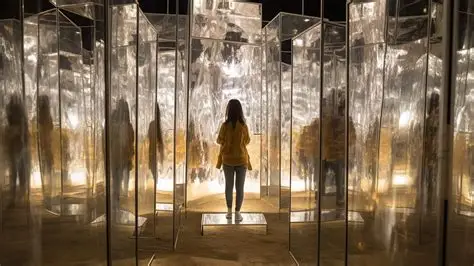
Glass is one of the most useful materials ever discovered by humans. We see it every day in windows, mirrors, bottles, mobile phones, television screens, eyeglasses, laboratories, and even spacecraft. It is so common that we often forget how remarkable it really is. Glass allows light to pass through while protecting us from wind, rain, dust, and noise. Without glass, modern life would be very different. Understanding how glass is made and why it is so important helps children appreciate the science and engineering behind this amazing material.
The history of glass goes back more than 5,000 years. According to historians, the earliest glass objects were made in ancient Mesopotamia and Egypt. People first used glass to create beads, jewellery, and decorative items. Over time, skilled craftsmen learned how to shape molten glass into bottles, cups, and windows. As technology advanced, glass became an essential material for homes, industries, medicine, and scientific research.
Glass is mainly made from sand, especially a type of sand rich in silica. Silica is the main ingredient that gives glass its strength and transparency. To make glass, silica sand is mixed with other materials such as soda ash and limestone. This mixture is heated in a furnace at temperatures of about 1,700°C, which is hot enough to melt the materials into a thick liquid. The molten glass is then carefully shaped, cooled, and polished to produce different products.
One of the most interesting properties of glass is that it is transparent. Unlike wood, metal, or stone, glass allows light to pass through, enabling us to see clearly. This property makes it ideal for windows, camera lenses, microscopes, telescopes, and spectacles. Scientists have used glass lenses to make some of the greatest discoveries in history, from observing tiny microorganisms under microscopes to studying distant galaxies with powerful telescopes.
There are many different types of glass, each designed for a specific purpose. Tempered glass is much stronger than ordinary glass and is used in car windows and smartphone screens. Laminated glass contains a special plastic layer that prevents it from shattering into dangerous pieces, making it suitable for vehicle windshields. Optical glass is used to manufacture precision lenses for cameras, microscopes, and telescopes. Scientists have even developed bullet-resistant glass, which provides additional protection in high-security areas.
Glass also plays a vital role in modern communication. Tiny strands of ultra-pure glass called optical fibres carry internet data across countries and oceans at the speed of light. These fibre-optic cables allow people to make video calls, attend online classes, watch movies, and browse the internet quickly. Without glass fibres, the modern internet would be much slower and less reliable.
In medicine, glass is used to manufacture laboratory equipment, medicine bottles, syringes, thermometers, and protective instruments. Because glass does not react easily with most chemicals, it is an ideal material for storing medicines and conducting scientific experiments. Hospitals and research laboratories depend on glass equipment every day.
One of the greatest advantages of glass is that it is 100% recyclable. Old glass bottles and jars can be melted and used to produce new glass products without losing quality. Recycling glass saves energy, reduces waste, and conserves natural resources. Children can help protect the environment by placing used glass items in recycling bins whenever possible.
Glass has also become an important part of modern architecture. Tall buildings often use large glass panels that allow natural sunlight to enter, reducing the need for artificial lighting. Special energy-efficient glass helps keep buildings cool during summer and warm during winter, saving electricity and making cities more environmentally friendly.
Scientists continue to develop new kinds of smart glass. Some windows can automatically become darker in bright sunlight and clearer when it is cloudy. Other types of glass can generate electricity using sunlight or clean themselves during rain. These innovations are helping create smarter homes, schools, and offices for the future.
As the famous architect Ludwig Mies van der Rohe said, “God is in the details.” Glass reminds us that even ordinary materials can transform the world through science, creativity, and innovation. From protecting our homes to helping scientists explore the universe, glass has become an essential part of human progress. By learning about this transparent wonder, children discover how simple natural materials, combined with human imagination, can create inventions that improve lives and shape the future.