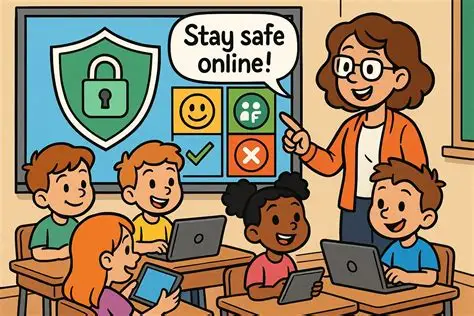
The internet has become an essential part of modern education and daily life. Children use it to attend online classes, complete assignments, watch educational videos, play games, and communicate with friends. While the digital world offers countless opportunities for learning and creativity, it also presents risks that every child must understand. Teaching cyber safety is just as important as teaching road safety or personal hygiene. A child who knows how to stay safe online is better prepared to enjoy the benefits of technology without falling victim to its dangers.
One of the first lessons in cyber safety is protecting personal information. Children should never share their full name, home address, phone number, school details, passwords, or banking information with strangers online. Even seemingly harmless details can be misused by cybercriminals. Parents and teachers should remind children that once something is shared on the internet, it can be difficult to remove permanently.
Strong passwords are another important aspect of online security. A good password should include a combination of letters, numbers, and special characters and should not be shared with anyone except parents or guardians. Using different passwords for different accounts provides an additional layer of protection. Children should also understand the importance of logging out of shared devices after using them.
Cyberbullying is becoming a growing concern among young internet users. Hurtful messages, fake profiles, online harassment, and spreading rumours can seriously affect a child’s emotional well-being. Children should be encouraged to report cyberbullying immediately to parents, teachers, or trusted adults instead of responding with anger or fear. Kindness and respect should guide every online interaction, just as they do in real life.
Another major risk is online scams. Fraudsters often create fake websites, messages, or emails promising prizes, free gifts, or gaming rewards to trick children into revealing personal information. Young users should learn never to click suspicious links or download unknown files without adult supervision. If an offer seems too good to be true, it probably is.
Parents play a vital role in creating a safe digital environment. Setting screen-time limits, using parental controls, discussing online experiences regularly, and encouraging open communication help children navigate the internet responsibly. Instead of simply restricting technology, parents should guide children in making wise digital choices.
Schools also have an important responsibility. Cyber safety education should be included in the curriculum through workshops, classroom discussions, and practical demonstrations. Students should learn about digital etiquette, online privacy, responsible social media use, and the importance of verifying information before believing or sharing it. These lessons prepare children to become responsible digital citizens.
Technology is a powerful tool that can inspire learning, creativity, and innovation when used wisely. By understanding the basics of cyber safety, children can protect themselves from online threats while making the most of the opportunities the digital world offers. Safe internet habits developed during childhood will remain valuable throughout life.
In today’s connected world, digital awareness is no longer optional—it is an essential life skill. By working together, parents, teachers, and schools can ensure that every child becomes a confident, responsible, and safe user of technology. A secure digital future begins with informed young minds, because staying safe online is the first step toward thriving in the digital age