In a world that is becoming increasingly fast-paced and competitive, kindness remains one of the most powerful qualities a child can possess. Kindness is the simple act of showing care, compassion, and respect towards others without expecting anything in return. It costs nothing, yet its impact can last a lifetime. Teaching children to be kind helps them grow into responsible, empathetic, and confident individuals who contribute positively to society.
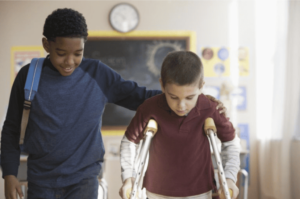
Kindness begins with everyday actions. A warm smile, a polite greeting, helping a classmate with homework, sharing lunch with a friend, or comforting someone who feels sad are all examples of kindness. These small gestures may seem insignificant, but they can brighten someone’s day and create a positive environment at home, school, and in the community.
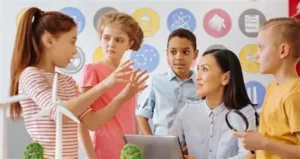
Children who practise kindness develop stronger friendships. They learn to understand the feelings of others, respect differences, and work together as a team. A kind child is more likely to include classmates who feel left out, encourage others during difficult times, and celebrate the success of friends instead of feeling jealous. Such qualities strengthen relationships and create a culture of mutual respect.
Kindness also plays an important role in preventing bullying. Bullying can leave deep emotional scars on children and affect their confidence and academic performance. By teaching children to treat everyone with respect, stand up for those who are being bullied, and report unfair behaviour to trusted adults, we can create safer and happier schools. A single act of kindness can make a lonely child feel accepted and valued.
Being kind is not limited to helping people. Children should also learn to care for animals and the environment. Feeding birds during hot summers, planting trees, avoiding littering, and conserving water are acts of kindness towards nature. Respecting all living beings teaches children that compassion extends beyond human relationships and includes the world around us.
Parents and teachers play a vital role in nurturing kindness. Children learn by observing the behaviour of adults. When they see parents helping neighbours, thanking service workers, respecting elders, and showing compassion to those in need, they naturally adopt the same values. Schools can reinforce these lessons by organizing community service activities, charity drives, cleanliness campaigns, and volunteer programmes that encourage students to serve others.
Scientific studies have shown that acts of kindness benefit not only the person receiving help but also the one offering it. Helping others increases happiness, reduces stress, and strengthens emotional well-being. Children who regularly practise kindness often develop greater self-confidence, emotional intelligence, and resilience. They understand that true happiness comes not from material possessions but from making a positive difference in the lives of others.
In today’s digital world, kindness should also extend to online interactions. Children must learn to use respectful language on social media, avoid spreading rumours or hurtful messages, and think carefully before posting comments. Digital kindness is just as important as kindness shown in person, as words shared online can have a lasting impact.
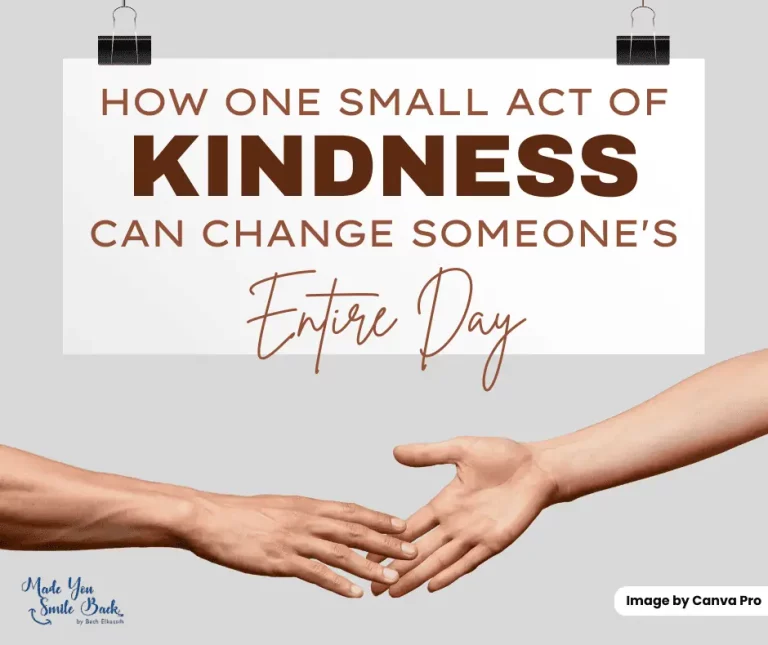
The world does not always need grand gestures to become a better place. It needs millions of small acts of kindness performed every day by ordinary people. Every child has the ability to make someone smile, offer help, or show compassion. These simple actions create a ripple effect, inspiring others to be kind as well.
As the saying goes, “No act of kindness, no matter how small, is ever wasted.” By teaching children to be kind in their words, actions, and decisions, we prepare them to become compassionate leaders, responsible citizens, and caring human beings. Kindness is not just a good habit—it is a powerful force that has the ability to transform families, schools, communities, and ultimately, the world.