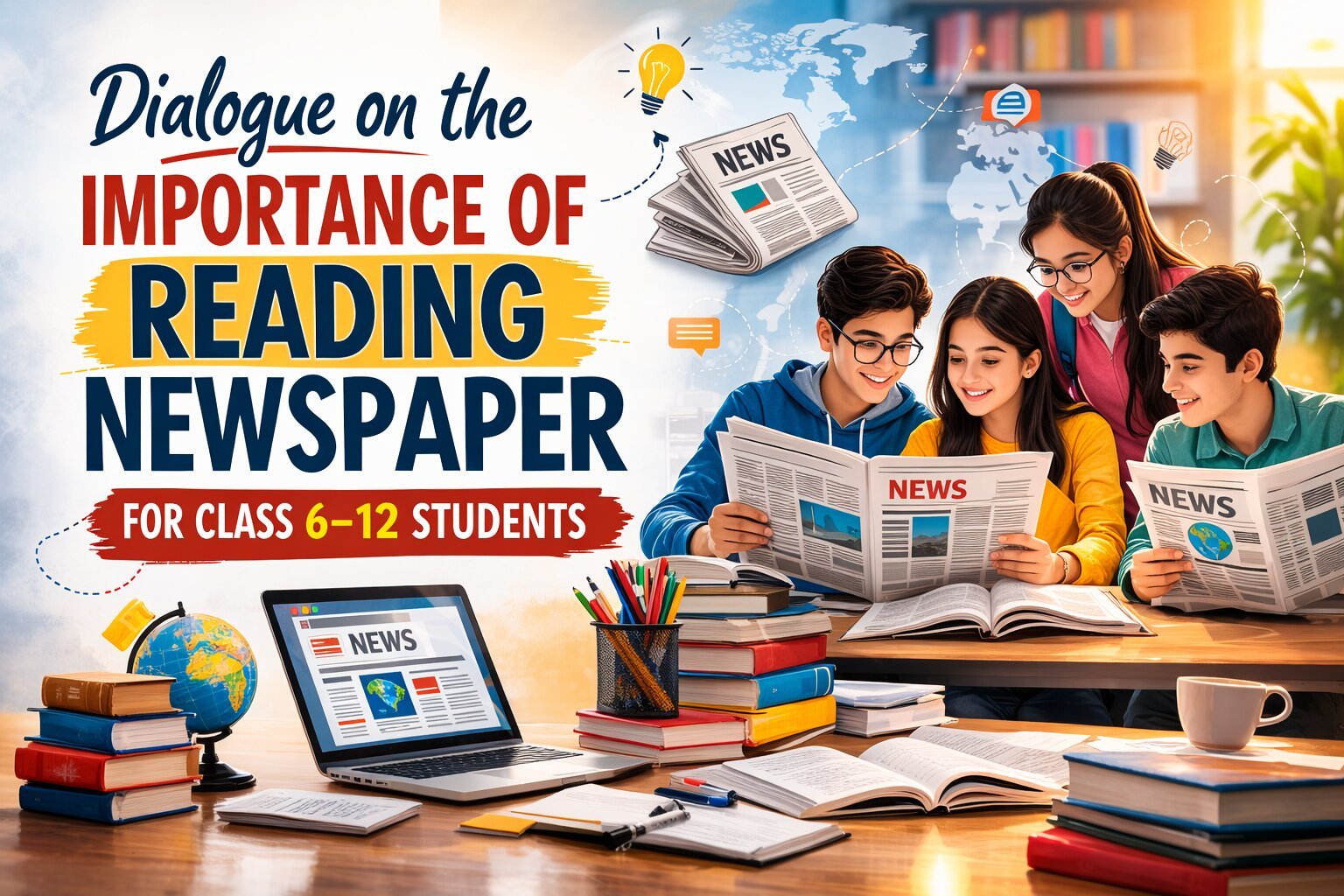
In the age of smartphones and social media, information is available at our fingertips. However, reading a newspaper remains one of the most reliable and enriching ways for children to stay informed about the world. Newspapers provide accurate, well-researched, and balanced information on current events, education, science, sports, technology, health, and culture. Developing the habit of reading newspapers from an early age helps children become knowledgeable, aware, and responsible citizens.
Reading a newspaper broadens a child’s understanding of the world beyond textbooks. While school books focus on academic subjects, newspapers connect students with real-life events happening in their country and around the globe. They learn about scientific discoveries, environmental issues, government initiatives, sports achievements, and inspiring stories of individuals making a difference in society. This awareness helps children understand how classroom knowledge is applied in everyday life.
One of the greatest benefits of reading newspapers is the improvement of language skills. Newspapers introduce children to new words, correct grammar, and different styles of writing. Reading editorials, feature articles, and reports regularly improves vocabulary, comprehension, and writing ability. Students who read newspapers often become more confident in essay writing, debates, public speaking, and competitive examinations.
Newspapers also encourage critical thinking. Instead of accepting information blindly, children learn to analyse facts, compare opinions, and understand different perspectives. They become more thoughtful readers who can distinguish between reliable information and rumours. In an era where misinformation spreads quickly through social media, this ability is an essential life skill.
For students preparing for quizzes, Olympiads, scholarship examinations, and competitive tests, newspapers are an excellent source of General Knowledge and Current Affairs. Regular reading helps them stay updated on important national and international events, making them more confident participants in academic competitions and classroom discussions.
Reading positive news stories can be highly inspiring. Newspapers often highlight the achievements of young innovators, scientists, athletes, entrepreneurs, and social workers who have overcome challenges to achieve success. Such stories motivate children to dream big, work hard, and believe that they too can make a meaningful contribution to society.
Parents and teachers can encourage newspaper reading by setting aside ten to fifteen minutes each day for discussing important news. Asking children to share one interesting article, write a short summary, or express their opinion on current events develops communication skills and builds confidence. Schools can also organise newspaper-reading clubs, current affairs quizzes, and “News of the Day” presentations to make the habit enjoyable and interactive.
While digital news platforms are becoming increasingly popular, children should also learn to identify trustworthy sources and verify information before sharing it online. Reading newspapers from credible publications helps them understand the importance of factual reporting and responsible journalism. This habit prepares them to become informed digital citizens who value truth and accuracy.
A newspaper is more than a collection of headlines—it is a daily classroom that teaches children about the world, encourages curiosity, and inspires responsible citizenship. Every page offers opportunities to learn something new, discover inspiring stories, and understand the challenges and achievements of people across the globe.
As the famous saying goes, “Knowledge is power.” By encouraging children to read newspapers regularly, we help them become informed, thoughtful, and confident individuals who are prepared to participate actively in society. Today’s young readers are tomorrow’s informed leaders, and every newspaper they read brings them one step closer to becoming responsible global citizens.