Honesty is one of the most important values a child can learn. It means speaking the truth, keeping promises, admitting mistakes, and behaving with integrity even when no one is watching. Honest children earn the trust of their parents, teachers, friends, and society. While intelligence and talent may help a person achieve success, honesty ensures that success is respected and lasting.
Children often face situations where they may be tempted to hide the truth. They may break a toy, forget to complete homework, or perform poorly in an examination. In such moments, telling the truth may seem difficult because they fear punishment or disappointment. However, parents and teachers should create an environment where children feel safe to be honest. When a child admits a mistake, the focus should be on learning and improving rather than on harsh criticism.
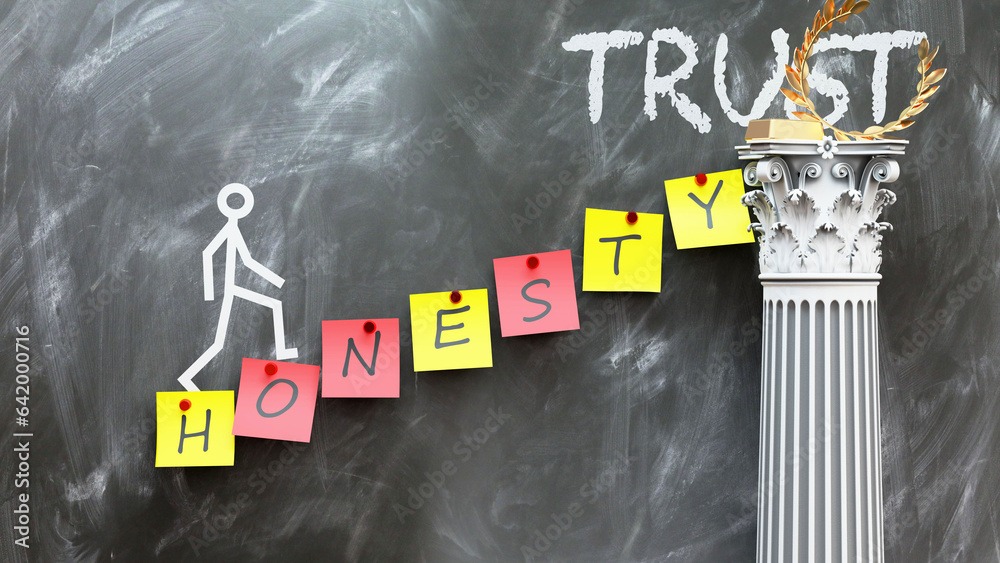
Honesty builds trust, and trust is the foundation of every strong relationship. Friends trust each other when they are truthful. Teachers trust students who complete their work honestly. Parents trust children who speak openly about their experiences. Once trust is broken, it takes time and effort to rebuild. Therefore, children should understand that honesty is a valuable asset that should never be compromised.
Being honest also means avoiding unfair practices such as cheating during examinations, copying homework, or claiming someone else’s work as one’s own. These actions may provide temporary success, but they prevent real learning and damage a person’s character. True achievement comes from sincere effort, hard work, and perseverance. A child who learns honestly gains confidence in their own abilities and develops a strong sense of self-respect.
Honesty is equally important in the digital world. Children should avoid sharing false information, creating fake profiles, spreading rumours, or copying content from the internet without giving credit. Learning about digital ethics helps them become responsible online citizens who value truth and respect the work of others. In an age where information spreads rapidly, honesty in online behaviour is more important than ever.
Parents are the first role models for honesty. Children carefully observe how adults behave in everyday situations. When parents keep their promises, admit their own mistakes, and treat others fairly, children naturally learn to do the same. Teachers also strengthen this value by encouraging fair play, appreciating truthful behaviour, and recognizing effort rather than only rewarding high marks.
Stories from history and literature provide inspiring examples of honesty. Leaders such as Mahatma Gandhi believed that truth and honesty were the foundation of a meaningful life. His commitment to truth inspired millions of people and played a significant role in India’s freedom movement. Such examples remind children that honesty requires courage but always earns respect.
Honesty also gives children peace of mind. A truthful person does not need to remember lies or worry about being exposed. Speaking the truth allows children to feel confident and secure because they know they have acted with integrity. This inner confidence helps them face challenges with courage and self-belief.
In today’s competitive world, honesty remains one of the most valuable qualities a person can possess. Employers, educators, and communities value individuals who are trustworthy, responsible, and ethical. Children who develop these qualities early are better prepared for success in every stage of life.
As the saying goes, “Honesty is the best policy.” By teaching children to value truth, accept responsibility, and act with integrity, we help them build strong character and lasting relationships. An honest child grows into a trustworthy adult who earns respect not only for achievements but also for the values that guide every decision.