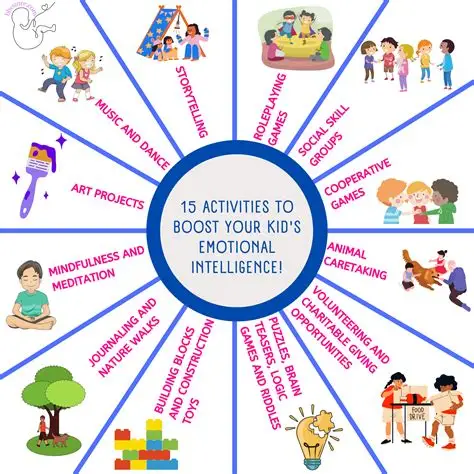
Success in life is not determined by intelligence alone. Equally important is the ability to understand, manage, and express emotions in a healthy way. This ability is known as Emotional Intelligence (EI). It helps children recognize their own feelings, understand the emotions of others, and respond with kindness, patience, and self-control. Emotional intelligence is an essential life skill that contributes to happiness, strong relationships, and personal success.
Children experience many emotions every day. They feel happy when they achieve success, excited during celebrations, disappointed after losing a game, or frustrated when they cannot solve a difficult problem. These emotions are natural and should not be ignored. Instead, children should learn that it is perfectly normal to experience different feelings and that what matters most is how they respond to them.
One of the first steps in developing emotional intelligence is helping children identify their emotions. Instead of simply saying they feel “bad,” they should learn to express whether they are angry, sad, worried, disappointed, or nervous. Naming emotions makes it easier for children to understand themselves and communicate their feelings to parents, teachers, and friends.
Emotional intelligence also teaches self-control. When children become upset, they should learn to pause before reacting. Taking deep breaths, counting slowly, or talking to a trusted adult can help them calm down. These simple habits prevent arguments, improve decision-making, and help children handle difficult situations with maturity.
Another important aspect of emotional intelligence is empathy—the ability to understand and care about the feelings of others. Empathetic children are kind, supportive, and respectful. They comfort a friend who is feeling sad, help classmates who are struggling, and avoid hurting others with their words or actions. Empathy strengthens friendships and creates a caring school environment.
Good emotional intelligence also improves communication. Children who express their feelings honestly and respectfully find it easier to solve disagreements and build healthy relationships. Instead of shouting or becoming angry, they learn to discuss problems calmly and listen carefully to different viewpoints. These skills are valuable throughout life, both personally and professionally.
Parents have a significant role in developing emotional intelligence. Listening patiently to children, encouraging open conversations, and avoiding criticism when children express their feelings helps them feel safe and understood. Instead of saying, “Don’t cry,” parents can ask, “Can you tell me what happened?” Such conversations teach children that expressing emotions is healthy and acceptable.
Teachers also contribute by creating supportive classrooms where students feel respected and valued. Activities such as storytelling, role-playing, group discussions, and teamwork help children understand emotions and develop social skills. Encouraging cooperation instead of unhealthy competition promotes emotional well-being and mutual respect.
In today’s fast-paced world, emotional intelligence is becoming as important as academic excellence. Employers, educators, and communities value individuals who can work well with others, manage stress, communicate effectively, and solve conflicts peacefully. Children who develop emotional intelligence are better prepared to face challenges, adapt to change, and build meaningful relationships.
As the famous psychologist Daniel Goleman said, “If your emotional abilities aren’t in hand, if you don’t have self-awareness, if you are not able to manage your emotions, then no matter how smart you are, you are not going to get very far.” By teaching children to understand their emotions, care for others, and respond wisely to life’s challenges, we help them grow into confident, compassionate, and emotionally strong individuals who are ready to succeed in every aspect of life.