Communication is one of the most essential life skills that every child should develop. It is the ability to express thoughts, ideas, and feelings clearly while also listening carefully to others. Good communication is not limited to speaking; it includes listening, reading, writing, and understanding non-verbal expressions such as body language and facial expressions. Strong communication skills help children build confidence, develop meaningful relationships, and succeed in both their academic and professional lives.
Children begin learning communication from the moment they are born. As they grow, they learn to express their needs, ask questions, and share their experiences. Parents and teachers play an important role in helping children communicate politely, confidently, and respectfully. Encouraging children to express their thoughts without fear helps them become effective communicators.
Communication is essential for success in school. Students who can express their ideas clearly participate actively in classroom discussions, ask meaningful questions, and perform better in presentations, debates, and group activities. Good communication also improves writing skills, helping students prepare better essays, reports, and examination answers.
Listening is an equally important part of communication. A good communicator knows how to listen patiently and understand others before responding. Children who develop good listening habits build stronger friendships, avoid misunderstandings, and learn more effectively. Listening with attention also shows respect for the person who is speaking.
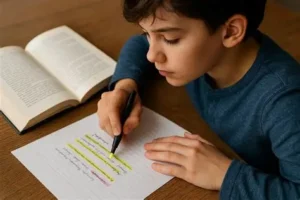
Reading and writing strengthen communication skills. Reading books, newspapers, magazines, and educational articles introduces children to new vocabulary and different writing styles. Writing stories, journals, essays, or letters helps them organize their thoughts and express ideas logically. These habits improve both creativity and language skills.
Public speaking is another valuable aspect of communication. Participating in speeches, storytelling, morning assemblies, debates, and elocution competitions helps children overcome stage fear and build self-confidence. Speaking before an audience teaches clarity, confidence, and the ability to present ideas effectively. These skills remain useful throughout life, whether during interviews, meetings, or public events.
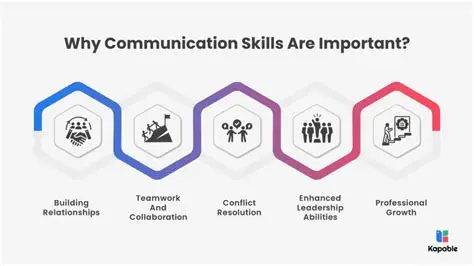
Communication also involves good manners. Speaking politely, using respectful language, maintaining eye contact, and appreciating the opinions of others create positive relationships. Children should learn to disagree respectfully without raising their voices or using hurtful words. Respectful communication helps resolve conflicts peacefully and builds trust.
In today’s digital age, communication extends beyond face-to-face conversations. Children use emails, messaging apps, video calls, and social media to interact with others. They should learn digital etiquette by writing respectful messages, avoiding offensive language, verifying information before sharing it, and using technology responsibly. Good digital communication is just as important as effective communication in person.
Parents can improve their children’s communication skills by engaging them in meaningful conversations every day. Asking about their school experiences, discussing current events, reading stories together, and encouraging them to share opinions create opportunities for learning. Teachers can further strengthen these skills through group discussions, role-playing activities, presentations, and collaborative projects.
Effective communication opens doors to countless opportunities. Whether a child dreams of becoming a doctor, teacher, engineer, lawyer, entrepreneur, scientist, or artist, the ability to communicate clearly and confidently will contribute significantly to their success. Knowledge becomes more valuable when it can be shared effectively with others.
As the famous writer George Bernard Shaw said, “The single biggest problem in communication is the illusion that it has taken place.” By teaching children to listen carefully, speak respectfully, read regularly, and express themselves with confidence, we prepare them for a future filled with opportunities. Strong communication skills help children build lasting relationships, inspire others, and become successful leaders in every field of life.