Water is one of the most precious natural resources on Earth. It is essential for drinking, cooking, farming, sanitation, and almost every form of life. Although nearly 71% of the Earth’s surface is covered with water, only a small percentage is fresh water that can be used by humans. As the population grows and climate change affects rainfall patterns, conserving water has become more important than ever. Teaching children the value of water conservation helps them become responsible citizens who care for the environment and future generations.
Every day, we use water in countless ways. We drink it to stay healthy, use it to prepare food, bathe, wash clothes, clean our homes, and water plants. Farmers depend on water to grow crops that provide food for millions of people. Industries, hospitals, and schools also require large amounts of water to function. Without clean water, life as we know it would not be possible.
Unfortunately, water is often wasted without realizing its importance. Leaving taps running while brushing teeth, taking unnecessarily long showers, washing vehicles with excessive water, or ignoring leaking pipes can waste hundreds of litres of water every month. These small habits, when repeated by millions of people, place a tremendous burden on our water resources.
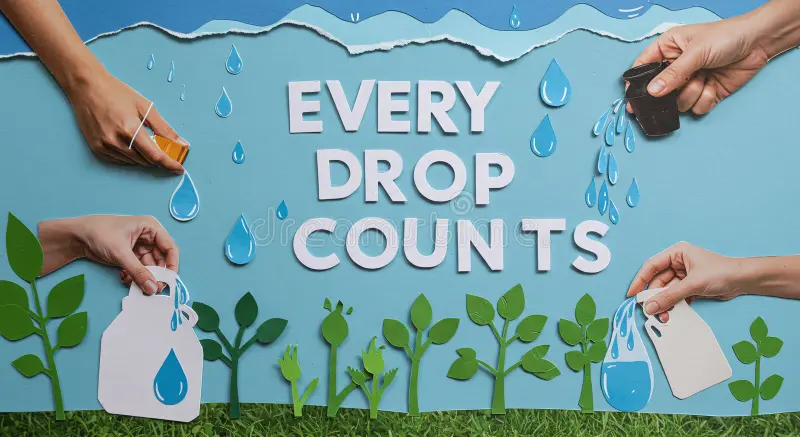
Children can play an important role in conserving water through simple daily actions. Turning off the tap while brushing teeth, using only the required amount of water, reporting leaking taps, and reusing water for watering plants are easy yet effective ways to save water. Every small effort contributes to protecting this valuable resource.
Rainwater harvesting is another excellent method of water conservation. By collecting and storing rainwater, families, schools, and communities can reduce their dependence on groundwater and ensure a reliable water supply during dry seasons. Many schools have successfully introduced rainwater harvesting systems, teaching students the importance of sustainable water management through practical experience.
Parents and teachers should explain that clean water is a shared responsibility. Organizing awareness campaigns, poster competitions, and community projects on water conservation helps children understand the importance of using water wisely. Visiting rivers, lakes, or water treatment plants also provides valuable learning experiences about the journey of water from nature to our homes.
Protecting water sources is equally important. Rivers, lakes, ponds, and oceans should never be polluted with plastic waste, chemicals, or garbage. Children should learn that keeping water bodies clean protects aquatic life and ensures safe drinking water for people. Every individual has a responsibility to protect nature and use resources wisely.
Water conservation is not just about saving water today—it is about securing the future. As the global demand for fresh water continues to increase, every drop saved today will help future generations enjoy a healthier and more sustainable life. By developing responsible water habits during childhood, children become environmental stewards who understand the importance of preserving nature’s gifts.
As the well-known saying reminds us, “Thousands have lived without love, not one without water.” By teaching children to value every drop, avoid waste, and protect our water resources, we prepare them to become responsible guardians of the planet. Every drop saved today is an investment in a cleaner, greener, and more sustainable tomorrow.