Our planet is the only home we have, and it is our responsibility to protect it. The air we breathe, the water we drink, the food we eat, and the natural beauty we enjoy all come from the environment. However, pollution, deforestation, climate change, and excessive use of natural resources are putting our planet under great stress. Teaching children environmental responsibility from an early age helps them become caring citizens who understand that every action, no matter how small, can make a positive difference.
Environmental responsibility begins with awareness. Children should understand that nature provides everything necessary for life. Trees produce oxygen, rivers provide water, and forests are home to countless plants and animals. When these natural resources are damaged, both people and wildlife suffer. Learning about the environment helps children appreciate its importance and motivates them to protect it.
Simple daily habits can have a significant impact on the environment. Turning off lights and fans when leaving a room, closing water taps properly, using reusable water bottles, and avoiding single-use plastics are easy ways for children to conserve resources. These habits not only protect the environment but also teach discipline and responsibility.
Waste management is another important aspect of environmental responsibility. Children should learn to separate biodegradable waste from recyclable materials such as paper, plastic, glass, and metal. Recycling helps reduce pollution and conserves natural resources. Schools can encourage students to participate in recycling drives and creative projects using reusable materials, showing them that waste can often be transformed into something useful.
Planting trees and caring for plants are meaningful ways for children to contribute to a greener planet. Trees improve air quality, reduce pollution, provide shade, and support biodiversity. Schools and families can organize tree plantation programmes and encourage each child to care for at least one plant. Watching a sapling grow into a healthy tree teaches patience, responsibility, and love for nature.
Children should also learn to respect wildlife. Every animal, bird, and insect has a role in maintaining ecological balance. Butterflies help pollinate flowers, bees support agriculture, and birds help control insect populations. Protecting wildlife and their habitats is essential for preserving biodiversity and ensuring a healthy environment for future generations.
Parents and teachers are important role models in promoting eco-friendly habits. Walking short distances instead of using vehicles, carrying cloth bags while shopping, reducing food waste, and conserving electricity are simple practices that children can easily adopt by observing adults. Family discussions about environmental issues also help children understand the importance of sustainable living.
Schools can strengthen environmental education through eco-clubs, nature walks, cleanliness campaigns, poster competitions, and celebrations of Earth Day and World Environment Day. Practical activities encourage students to move beyond theory and become active participants in protecting the environment. These experiences inspire children to become environmental ambassadors within their families and communities.
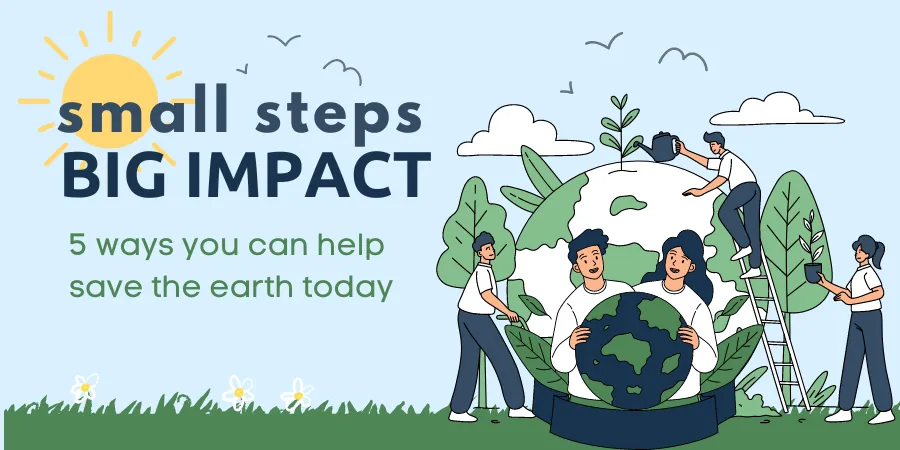
Environmental responsibility is not about making one big change—it is about making many small, consistent choices every day. When millions of people adopt eco-friendly habits, the combined impact can transform communities and protect the planet. Every child has the power to contribute through simple actions such as saving water, planting trees, reducing waste, and encouraging others to care for nature.
As the Native American proverb wisely says, “We do not inherit the Earth from our ancestors; we borrow it from our children.” By teaching children to respect and protect the environment, we prepare them to become responsible guardians of our planet. Every small action taken today creates a cleaner, healthier, and more sustainable world for tomorrow.