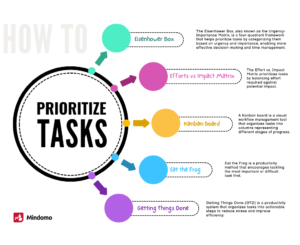
Success is not achieved by talent alone. Behind every successful student, athlete, scientist, artist, or entrepreneur lies one important quality—self-discipline. Self-discipline is the ability to do what is right even when it is difficult. It means controlling our actions, managing our time wisely, and staying focused on our goals without needing constant reminders. Teaching children self-discipline from an early age helps them develop responsibility, confidence, and the determination to achieve their dreams.
Self-discipline begins with small daily habits. Waking up on time, making the bed, keeping school materials organized, completing homework before playing, and following a daily routine are all examples of self-discipline. These simple habits may seem ordinary, but together they create a strong foundation for future success.
One of the greatest benefits of self-discipline is improved academic performance. Students who study regularly instead of waiting until the last moment understand their lessons better and experience less stress during examinations. They learn to manage their time effectively and avoid procrastination. Regular revision and consistent effort are far more effective than studying for long hours just before a test.
Self-discipline also teaches children the importance of making good choices. Every day, they face decisions such as whether to complete homework or watch television, read a book or spend hours on a mobile phone, or play outside instead of sitting indoors. A disciplined child learns to choose activities that contribute to personal growth while still enjoying recreation in moderation.
Another important advantage of self-discipline is emotional control. Children who are disciplined learn to stay calm during difficult situations. Instead of reacting with anger or frustration, they think before they speak or act. This helps them build healthy relationships with family members, teachers, and friends. Emotional self-control is an essential quality for becoming a responsible and respected individual.
Parents have a major role in developing self-discipline. Setting clear expectations, encouraging independence, and allowing children to take responsibility for their own tasks help them become more organized. Rather than constantly reminding children, parents should gradually encourage them to manage their own schedules, schoolwork, and personal responsibilities. Appreciation for consistent effort motivates children to continue developing good habits.
Teachers also contribute by encouraging punctuality, responsibility, and regular practice. Classroom routines, project deadlines, and participation in extracurricular activities teach students the importance of commitment and accountability. When teachers recognize effort and improvement, children understand that discipline is valued as much as achievement.
Sports and hobbies are excellent ways to build self-discipline. Athletes follow training schedules, musicians practise daily, and artists spend countless hours improving their skills. Children who participate in such activities learn that success is the result of patience, consistency, and hard work. These lessons remain valuable throughout their lives.
In today’s world, distractions are everywhere. Social media, online games, and endless digital entertainment can easily consume valuable time. Self-discipline helps children use technology wisely, maintain healthy routines, and stay focused on their priorities. It teaches them that enjoying technology is important, but controlling its use is even more important.
Self-discipline is not about living a life without fun or enjoyment. Instead, it is about creating balance. It allows children to complete their responsibilities first and then enjoy their free time without guilt or stress. This balance leads to better health, stronger relationships, improved academic performance, and greater happiness.
As the philosopher Plato wisely said, “The first and best victory is to conquer yourself.” By teaching children self-discipline, we help them build habits that lead to lifelong success. Every small act of discipline today becomes a stepping stone towards a brighter tomorrow. A disciplined child grows into a responsible adult who is capable of achieving great things while inspiring others through dedication, integrity, and perseverance.