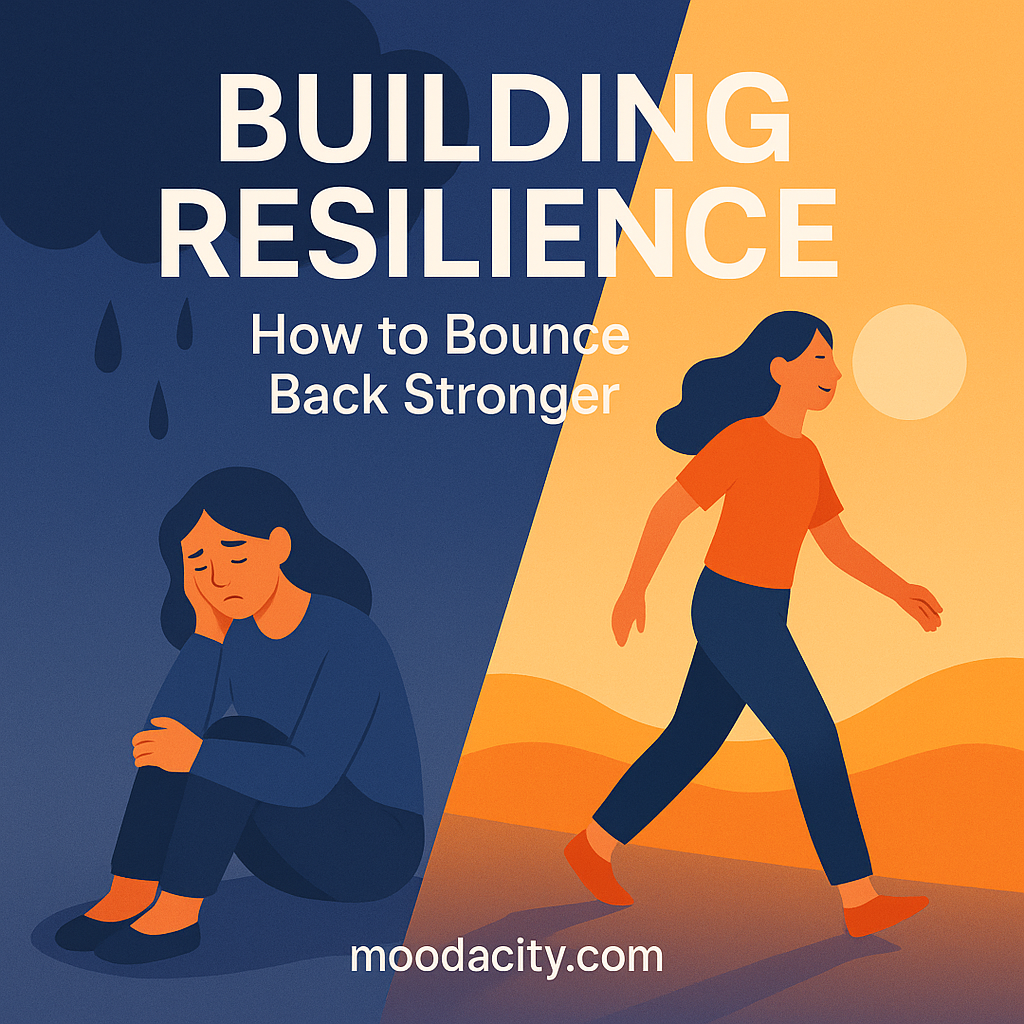
Life is filled with both successes and setbacks. Every child will face challenges such as a poor exam result, losing a sports match, making mistakes, or facing disappointment. While these situations may seem difficult at first, they also provide valuable opportunities to learn and grow. The ability to recover from difficulties and continue moving forward is called resilience. Teaching children resilience helps them become strong, confident, and determined individuals who are prepared to face life’s ups and downs.
Resilience does not mean that children never feel sad, worried, or disappointed. These emotions are a natural part of life. Instead, resilience means learning how to handle these feelings in a healthy way and finding the courage to keep trying. A resilient child understands that one failure does not define their future and that every challenge brings a chance to improve.
Children develop resilience by facing small challenges in everyday life. Learning to ride a bicycle, solving a difficult puzzle, preparing for an examination, or participating in a competition all require patience and persistence. Every time children overcome a challenge, they become more confident in their ability to handle future difficulties.
One of the most important lessons resilience teaches is that failure is temporary. A student who scores fewer marks in one examination still has many opportunities to improve. An athlete who loses a match can practise harder and perform better in the next competition. Children should understand that setbacks are not signs of weakness but stepping stones towards success.
Parents play a significant role in building resilience. Instead of solving every problem for their children, they should encourage them to think independently and find solutions. Listening patiently, offering guidance, and reminding children of their strengths help them develop confidence. Praising effort, determination, and improvement rather than only celebrating success teaches children that perseverance is more important than perfection.
Teachers also help children become resilient by creating supportive learning environments. Encouraging students to ask questions, participate in activities, and learn from mistakes builds confidence. Constructive feedback helps children understand that improvement is always possible. Schools that value effort and progress inspire students to keep learning even when they face difficulties.
Friendships also contribute to resilience. Supportive friends encourage one another during challenging times and celebrate each other’s achievements. Children who learn to cooperate, share, and communicate openly develop stronger emotional well-being. Knowing that they are not alone gives them the confidence to face problems with a positive attitude.
Healthy habits also strengthen resilience. Regular exercise, nutritious food, sufficient sleep, and spending time with family help children manage stress and maintain emotional balance. Activities such as reading, drawing, music, gardening, or playing sports provide healthy ways to relax and regain confidence after a difficult day.
In today’s rapidly changing world, resilience is more important than ever. Children will face new technologies, changing careers, unexpected situations, and global challenges. Those who remain flexible, optimistic, and willing to learn from every experience will be better prepared for the future. Resilient children do not fear change—they see it as an opportunity to grow.
As the Japanese proverb says, “Fall seven times, stand up eight.” By teaching children resilience, we prepare them to face life’s challenges with courage, patience, and hope. Every obstacle they overcome makes them stronger, wiser, and more confident. A resilient child understands that success is not about never falling—it is about always having the strength to rise again and continue moving forward with determination