Weather refers to the condition of the atmosphere at a particular place and time. It includes temperature, rainfall, wind, humidity, air pressure, and cloud cover. Weather can change from hour to hour or from day to day. A bright sunny morning may turn into a rainy afternoon, while strong winds may suddenly bring cooler temperatures. Unlike climate, which describes the average weather of a region over many years, weather changes frequently and can sometimes be unpredictable.
The Sun is the main source of Earth’s weather. It heats the land, oceans, and atmosphere. However, the Earth’s surface does not heat evenly. Some places receive more sunlight than others because of their location and the Earth’s tilt. Warm air rises while cooler air moves in to take its place, creating winds. This movement of air and moisture leads to the formation of clouds, rain, and storms.
Clouds are one of the most interesting parts of weather. They are made up of tiny water droplets or ice crystals floating high in the sky. As the Sun heats rivers, lakes, and oceans, water changes into water vapour and rises into the atmosphere. This process is called evaporation. As the water vapour rises higher, it cools and changes back into tiny droplets through a process known as condensation, forming clouds. When these droplets become too heavy to remain suspended, they fall to the ground as rain, snow, sleet, or hail. This continuous movement of water is known as the water cycle, one of the most important natural processes on Earth.
Rain is essential for life. It provides water for drinking, farming, industries, and wildlife. Crops depend on rainfall to grow, rivers are replenished, and underground water supplies are recharged. However, too much or too little rain can create problems. Heavy rainfall may cause floods, while prolonged absence of rain can lead to droughts that affect agriculture and water supplies. This is why weather forecasting is so important.
Wind is another fascinating weather element. Wind is simply moving air created by differences in air pressure. Gentle breezes make hot days comfortable, while strong winds can help generate electricity through wind turbines. However, powerful winds associated with cyclones or hurricanes can cause significant damage. Scientists continuously monitor wind speed and direction to issue warnings and protect communities.
Thunderstorms are among nature’s most dramatic events. During a thunderstorm, warm moist air rises rapidly, forming large clouds called cumulonimbus clouds. Inside these clouds, electrical charges build up, producing lightning. The intense heat from lightning causes the surrounding air to expand rapidly, creating the sound we hear as thunder. Although thunderstorms can be exciting to watch from indoors, children should always stay inside during lightning storms because lightning can be dangerous.
Snow is another form of precipitation that occurs in very cold regions. Instead of falling as rain, water vapour freezes into beautiful ice crystals that combine to form snowflakes. Every snowflake has a unique pattern, making each one different from all others. Snow covers mountains, forests, and towns with a white blanket and plays an important role in supplying fresh water when it melts during warmer seasons.
Meteorologists are scientists who study weather. They use satellites, weather balloons, radar systems, ocean buoys, and powerful computers to observe atmospheric conditions. Satellites orbiting the Earth take photographs of clouds, storms, and weather systems, helping scientists predict future weather patterns. These forecasts help farmers plan their crops, airlines choose safe flight paths, fishermen avoid dangerous seas, and families prepare for changing weather conditions.
Modern technology has made weather forecasting far more accurate than in the past. Artificial Intelligence, advanced computer models, and satellite observations allow meteorologists to predict storms, cyclones, heat waves, and heavy rainfall several days in advance. Early warnings save lives by giving people enough time to prepare and evacuate if necessary.
Children can also become young weather observers. Keeping a weather diary, measuring rainfall with a simple rain gauge, observing cloud shapes, recording daily temperatures, or watching wind direction can make science enjoyable. These activities encourage careful observation, data collection, and curiosity about the natural world. Schools can organize weather stations or science projects where students learn how weather instruments work.
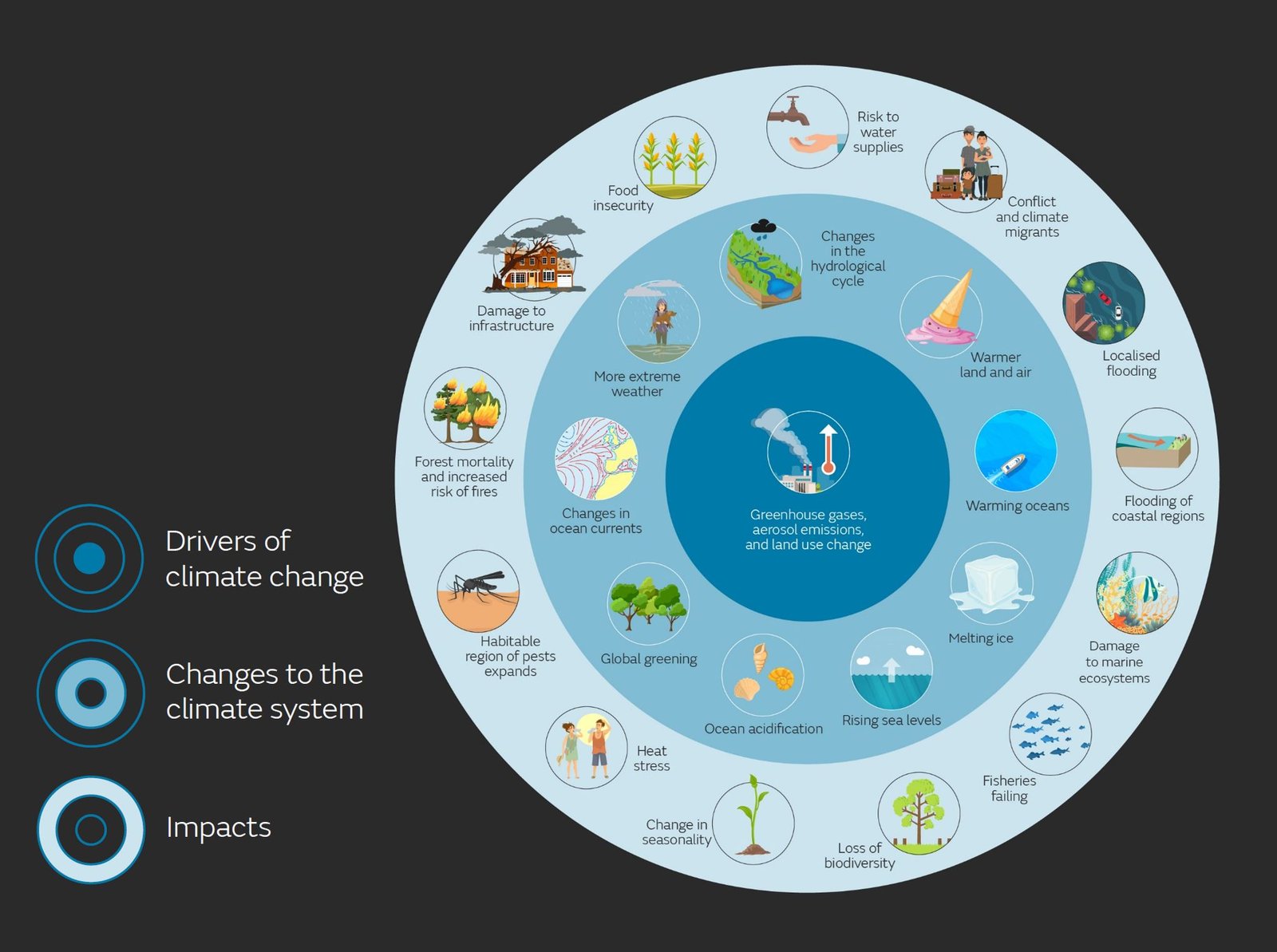
Weather also teaches us the importance of respecting nature. Climate change has increased the frequency of extreme weather events in many parts of the world. Rising temperatures, stronger storms, melting glaciers, and changing rainfall patterns remind us that protecting the environment is everyone’s responsibility. Saving energy, planting trees, reducing pollution, and conserving natural resources help reduce the impact of climate change and protect our planet.
Many exciting careers are connected to weather science. Meteorologists, climate scientists, environmental researchers, pilots, disaster management experts, agricultural advisors, and oceanographers all depend on weather knowledge in their work. Children who enjoy geography, science, mathematics, and environmental studies may one day contribute to improving weather forecasting and protecting communities from natural disasters.
As the famous scientist Galileo Galilei said, “Measure what is measurable, and make measurable what is not so.” Weather science reminds us that careful observation and scientific knowledge help us understand the changing world around us. By encouraging children to observe the sky, ask questions, and appreciate the wonders of nature, we inspire them to become curious learners and responsible guardians of the Earth. Every cloud, every raindrop, and every ray of sunshine tells a story, inviting us to discover the fascinating science that shapes our everyday lives.